
Bed Bugs Uncovered: Your Guide to Their Hiding Spots, Feeding Habits & Bite Signs
Waking up with itchy red welts? Don't let bed bugs steal your sleep. These elusive pests are experts at finding clever bed bug hiding spots close to where you rest, and their sneaky bed bug feeding habits often leave you with mysterious bed bug bites. Our in-depth guide reveals the secrets of a bed bug infestation, from exactly where bed bugs hide in your home to how often they feed and what their bites look like. Learn to distinguish bed bug bites from other insect stings and discover effective strategies to prevent and treat these unwelcome guests. If you suspect these tiny invaders are making your home theirs, Resolve Pest Management offers expert bedbugs bites treatment and comprehensive bed bug control services for Ocean and Monmouth Counties, NJ. Get the knowledge you need and the professional help you deserve to ensure a truly pest-free home.
Understanding Bed Bug Hiding and Feeding: How to Identify and Manage Infestations
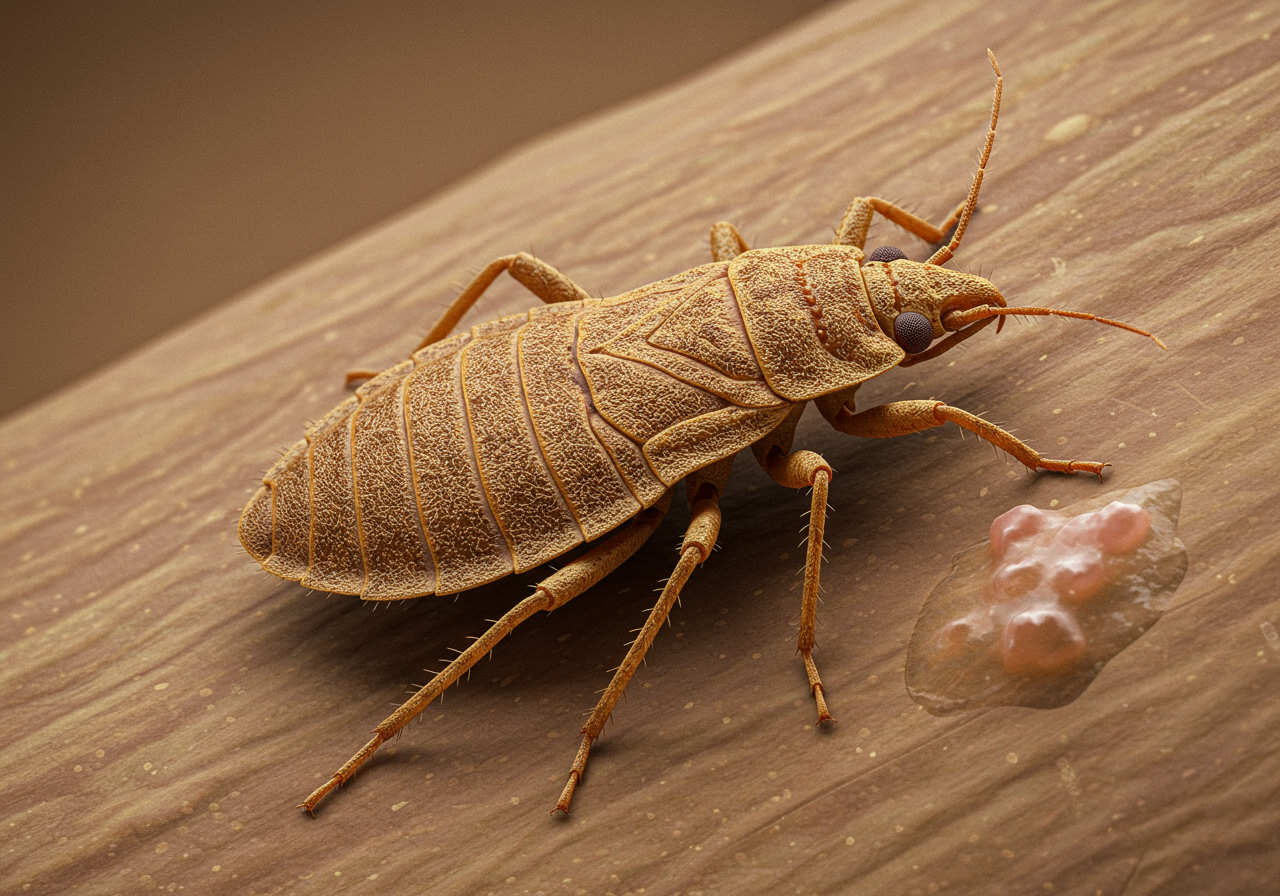
There are few things as unsettling as the thought of tiny, unseen pests sharing your home, especially when those pests feed on your blood while you sleep. We're talking about bed bugs – notorious for their stealthy nature and irritating bites. These resilient insects, scientifically known as Cimex lectularius, can turn your comfortable haven into a source of constant worry and itching.
At Resolve Pest Management, we understand the stress and frustration a bed bug infestation can cause. That's why we're dedicated to helping homeowners in Ocean and Monmouth Counties, New Jersey, understand these elusive pests better. Knowing where bed bugs hide, how often they feed, and what their bites look like is the first crucial step in protecting your home and restoring your peace of mind. Let's pull back the covers on these nocturnal nuisances.
Where Do Bed Bugs Hide in Your Home? The Secret Lives of Pests
Bed bugs are masters of hide-and-seek. Their flat, oval bodies allow them to squeeze into incredibly small spaces, often no wider than a credit card. They prefer to stay close to their food source – you! – which means their favorite hiding spots are usually within a few feet of where you rest or sleep. These clever insects leave behind tell-tale signs, such as tiny eggs, shed skins, and dark fecal spots, which are dried bed bug droppings. Finding these clues early can make a significant difference in how quickly an bed bug infestation is resolved.
Here’s a closer look at their most common hideouts:
- Mattress seams and tufts: The stitching and folds of your mattress offer perfect, protected micro-habitats.
- Box springs and mattress tags: They often tuck themselves under fabric flaps or around the wooden frames of box springs.
- Bed frames and headboards: Look for them in the joints, cracks, and crevices of both metal and wooden frames.
- Upholstered furniture: Sofas, recliners, and chairs can become home to bed bugs as bugs hide within cushions and seams, especially if people frequently nap or rest there.
- Baseboards, molding, and wall cracks: Gaps in walls or along baseboards provide excellent, undisturbed shelter.
- Electrical outlets and appliances: Believe it or not, these pests can hide behind electrical faceplates and even inside electronics, seeking warmth and shelter.
- Luggage, clothing, and clutter: These items act as convenient travel bags for bed bugs, helping them spread from one location to another. Reducing clutter can significantly reduce their hiding options.
For homeowners, a quick check of mattress edges, nearby furniture, and baseboards usually reveals early signs of a problem faster. Starting with these high-yield areas saves time and helps you decide whether to inspect more challenging areas like electronics and wall voids.
Here's a guide to common hiding locations and what to look for:
| Hiding Location | Typical Signs to Look For | Ease of Detection |
|---|---|---|
| Mattress seams | Dark fecal spots, tiny white eggs, shed skins | High |
| Box springs | Live bugs between fabric and frame; torn fabric or gaps | Medium |
| Bed frame/headboard | Adults or nymphs at joints; molted skins in cracks | Medium |
| Furniture seams | Blood spots on cushions; eggs tucked in seams | Medium |
| Baseboards/wall cracks | Small dark specks or spotting along molding | Low |
| Electrical outlets/electronics | Bugs inside outlets or chargers; hard to see without removal | Low |
What Are the Most Frequent Bed Bug Hiding Places in Mattresses and Furniture?
Mattresses and upholstered furniture are prime real estate for bed bugs because they offer warmth, are close to their human hosts, and provide many layered fabric nooks and crannies. These spots are perfect for concealing eggs, young nymphs, and adult bugs. When inspecting, pay close attention to mattress seams, tufts, piping, and tags. You might spot tiny, pearly white eggs, translucent shed skins, or clusters of dark fecal spots, particularly near corners and edges. If you use encasements for your mattress and box spring, choose high-quality, zippered covers and keep them on until a professional confirms the infestation is gone. This prevents accidental re-entry and provides a protective barrier. Regular visual checks and cleaning removable covers can help catch a small, localized population before it spreads throughout your home.
How Do Bed Bugs Use Wall Cracks, Electronics, and Clutter as Hiding Spots?
Beyond the bed itself, bed bugs ingeniously exploit other areas. They thrive in wall cracks, the voids behind electrical outlets, the backs of picture frames, and within electronics because these gaps are quiet, stable refuges. They are protected from disturbance and away from routine cleaning. Clutter, like piles of clothes or books, only exacerbates the problem by increasing the number of available hiding spots and creating pathways for bugs to move between rooms.
A word of caution: Only remove outlet covers if you are confident and safe doing so, otherwise, use a flashlight to inspect behind baseboards and picture frames without touching anything. Do not attempt to probe electronics without professional guidance, as sensitive components can be damaged. Reducing clutter and sealing small cracks can drastically limit their hiding options, making detection and control much simpler and more effective.
How Often Do Bed Bugs Feed and What Are Their Feeding Habits?
Bed bug feeding is a nocturnal affair. These pests are most active at night, typically between midnight and 5 AM, when you're deeply asleep. They locate their human hosts by sensing exhaled carbon dioxide, body heat, and human scent. Once they find an exposed skin area, they feed briefly before retreating to their nearby hiding spots.
The frequency of bed bug eating depends largely on their life stage. Young nymphs, which are immature bed bugs, need blood more often to grow and molt (shed their skin). Adult bed bugs, while still requiring blood meals, can go longer between feedings. This variation explains why bed bug bites can seem intermittent, even when an active infestation is present. Understanding these feeding patterns helps pest control experts focus inspections on areas closest to where people rest, rather than waiting for bite reports alone.
Here’s a look at bed bug feeding by life stage:
| Life Stage | Typical Feeding Frequency | Typical Blood-Meal Size |
|---|---|---|
| Nymph (early instars) | Every 3–7 days to complete molts | Small, just enough for the next molt |
| Nymph (late instars) | Every 5–10 days | Larger meals to support development |
| Adult (unfed) | About every 7–10 days but variable | Substantial meal for maintenance |
| Starved adult | Can survive weeks to months without feeding | Minimal or opportunistic feeding when desperate |
This comparison highlights why an early infestation with many young nymphs might lead to frequent bed bug bites, while an older, more established population might be noticed more by fecal spots or shed skins than by consistent bed bites.
When and How Do Bed Bugs Feed on Human Blood?
Bed bugs primarily feed at night when their host is still and inactive. The feeding process itself is surprisingly quick, usually lasting only 5 to 10 minutes. During this time, the bed bug probes the skin with its mouthparts, injects saliva that contains both an anticoagulant (to keep blood flowing) and an anesthetic (to numb the area), and then draws blood. Because of the anesthetic, you often won't feel the bed bug after feeding has begun. After they've had their fill, they become engorged and return to their hiding spots to digest their meal, molt, or lay eggs. This constant travel between you and their harborage is what concentrates evidence like blood smears on sheets or dark fecal spots in mattress seams. These signs are often clearer indicators of a problem than just identifying bites alone.
What Factors Attract Bed Bugs to Feed and How Frequently Do They Bite?
Bed bugs are primarily attracted to the carbon dioxide we exhale, our steady body heat, and specific human scents. A person's long period of immobility during sleep is also a strong signal that makes them an easy target. All these factors increase the likelihood of a feeding event.
The frequency of bedbugs bites depends on several elements:
- Life stage: Younger nymphs feed more often.
- Infestation size: More bugs mean more bites.
- Host availability: If multiple people are in a room, bites might be distributed.
- Temperature: Warmer temperatures can increase their metabolism and feeding frequency.
- Movement: A restless sleeper might make it harder for them to feed successfully.
Regarding other hosts, while bed bugs prefer human blood, if their primary food source is unavailable, they might resort to feeding on pets. So, while it's less common, do bedbugs feed on dogs? Yes, they can, but it's usually a last resort.
How Long Can a Bed Bug Survive Without Food?
This is a critical question because it speaks to the bed bug's remarkable resilience and why controlling them is so challenging. How long can a bed bug survive without food? The answer varies, but starved adult bed bugs can survive for several weeks, and even months, in cooler conditions. Some studies suggest they can live without a blood meal for up to a year, especially in an inactive state. This incredible ability to go without bed bug feeding means that simply vacating your home for a few weeks won't eliminate an infestation. It highlights why professional intervention is almost always necessary to thoroughly eradicate them, as they can simply wait for you to return. This survival tactic also underscores how long can a bed bug live without feeding and makes them notoriously difficult to starve out.
How Can You Identify Bed Bug Bites? Signs and Symptoms to Look For
Identifying bed bug bites is often the first indication homeowners have that they might have an issue. These bites typically appear as red, itchy bumps on the skin. They frequently show up in clusters or a line, which is sometimes called a "breakfast, lunch, and dinner" pattern, as a single bug may feed multiple times nearby. Each bite is a small puncture with a surrounding raised area, and sometimes a darker red center.
Reactions to bed bug bites can vary greatly from person to person. Some individuals may show no marks at all, while others develop large, intensely itchy welts similar to mosquito bites. The itching can range from mild to severe and may appear hours or even days after the bite occurred.
Here are the common characteristics of bedbug bites look like:
- Red, raised bumps: Often inflamed and red.
- Grouped or linear patterns: Frequently found in clusters of three or more, or in a zig-zag line.
- Intense itching: Can be very bothersome, sometimes leading to sleepless nights.
- Common locations: Usually on exposed skin while sleeping, such as the face, neck, arms, shoulders, and legs.
If you observe these symptoms, especially in combination with environmental signs like fecal spotting and shed skins, it significantly increases the likelihood that bed bugs are the culprits. If you experience a severe reaction, signs of infection, or excessive itching, it's always best to seek medical advice. After that, arranging a professional inspection can confirm the cause and help you develop a plan of action.
What Do Bed Bug Bites Look Like Compared to Other Insect Bites?
Distinguishing bed bug bites from those of other insects can be tricky, as many insect bites cause similar reactions. However, there are some key differences:
- Mosquito Bites: Usually appear as single, isolated, red, itchy welts. They don't typically form the linear or clustered patterns seen with bed bugs. Mosquitoes can bite anywhere, any time, not just during sleep.
- Flea Bites: Tend to be smaller, very red, and often concentrated around ankles and lower legs. They may also appear in clusters, but typically look like small, red dots with a red halo, often with a darker red spot in the center. Fleas often target pets first.
- Spider Bites: Usually present as a single, painful bite, sometimes with two puncture marks. They don't generally appear in patterns or clusters like bed bug bites.
- Bed Mites Bites: While less common in homes, bed mites bites (like dust mites or scabies mites) can also cause itching and skin irritation. Dust mites don't bite but cause allergic reactions. Scabies mites burrow into the skin, causing intense itching and rash, often in specific areas like wrists, between fingers, or around the waist, which is distinct from bed bug patterns.
Because individual reactions vary so widely, relying solely on bite appearance can be misleading. For a definitive identification, it's crucial to combine observations of bites with environmental evidence, such as actual bed bugs, their eggs, or fecal specks. This integrated approach helps avoid unnecessary or ineffective treatments.
Where Are Bed Bug Bites Commonly Found on the Body?
Bed bug bites are usually found on areas of the body that are exposed during sleep. Common sites include:
- Face and Neck: Often visible after waking.
- Arms and Shoulders: Especially if you sleep with your arms outside the covers.
- Legs and Ankles: Depending on your sleepwear and whether your legs are exposed.
The location and pattern of bites can sometimes reflect your sleeping position; for example, if you consistently sleep on your side, bites might cluster more heavily on that side. Observing similar bite patterns on multiple household members or guests can further strengthen the suspicion of bed bugs versus an isolated insect bite. Noting where bites appear can also help prioritize which areas of your home to inspect first, and if recent travel is a factor, to check luggage and clothing for any introductions.
Treating Bed Bug Bites and When to Call the Pros
If you discover you have bed bug bites, your immediate priority will likely be relief from the itching and discomfort. How to get rid of bed bug bites? How to cure bed bug bites? How to treat bug bed bites? How do I treat bed bug bites? How can I treat bed bug bites? How can you treat bed bug bites? How do I cure bed bug bites? How do you cure bed bug bites? How do you heal bed bug bites? How to treat bed bug bites? How do you treat bed bug bites?
For immediate relief, you can:
- Clean the bites: Wash the affected skin with soap and water to prevent infection.
- Apply anti-itch cream: Over-the-counter hydrocortisone creams or lotions containing antihistamines can help reduce itching and inflammation. Calamine lotion can also provide soothing relief.
- Avoid scratching: While tempting, scratching can break the skin, leading to secondary infections.
- Cold compresses: Applying a cold pack to the bites can help reduce swelling and itching.
- Oral antihistamines: For more widespread itching, an oral antihistamine can provide relief.
How to get rid of bed bug bites overnight? While you can relieve the symptoms of bed bug bites overnight with the above methods, it's important to remember that these treatments only address the symptoms, not the source of the problem. As long as the bed bugs are present, you will continue to get bitten. The only true "cure" for bed bug bites is to eliminate the infestation from your home entirely.
When Should You Call a Bed Bug Exterminator in New Jersey? Professional Control Options
If you find live bed bugs, eggs, widespread fecal spotting, or if you continue to experience recurring bites despite your best cleaning efforts, it's definitely time to call in the professionals. Resolve Pest Management understands that DIY methods often fall short because bed bugs are incredibly resilient and hide in difficult-to-reach places that typical sprays or home remedies simply miss.
Licensed technicians, like those at Resolve Pest Management, provide focused, comprehensive bedbugs bites treatment and control to significantly reduce the chance of recurrence. We combine careful inspections, targeted treatments, and essential follow-up to reach hidden harborages in walls, electronics, and even behind baseboards—areas where DIY approaches typically fail.
In coastal New Jersey, including Ocean and Monmouth Counties, a local provider familiar with regional patterns and seasonal pest movement can respond faster and deliver more effective, long-term results. We are a family-owned pest and wildlife company based right here in Bayville, NJ, serving our local communities with pride.
Here’s a comparison of common professional bed bug treatment approaches:
| Approach | Characteristic | Typical Benefit |
|---|---|---|
| Heat treatment | A single, extended treatment that raises room temperatures to lethal levels | High efficacy across all life stages in the treated space, chemical-free |
| Chemical treatment | Targeted insecticide applications to seams, voids, and crack-and-crevice areas | Flexible and cost-effective for localized infestations or in conjunction with other methods |
| Integrated Approach (IPM) | Combination of heat, chemicals, exclusion, and monitoring | Balanced, tailored control with ongoing follow-up to confirm eradication |
Often, the best results come from a combined, evidence-based plan that balances effectiveness and safety, plus professional follow-up to confirm complete eradication.
Why Is Professional Bed Bug Treatment More Effective Than DIY Methods?
Professionals are far more effective than DIY methods for several key reasons. Resolve Pest Management’s licensed technicians use validated protocols, specialized equipment (like commercial heat units and precise application tools), and systematic follow-up to find and treat hidden harborages and all life stages of bed bugs, from egg to adult. DIY efforts commonly fall short due to:
- Incomplete coverage: Missing bugs hiding in walls, electronics, or deep within furniture.
- Incorrect product use: Using products that aren't effective or applying them improperly.
- Pest resistance: Bed bugs can develop resistance to certain over-the-counter chemicals.
- Lack of expertise: Without an understanding of bed bug biology and behavior, it’s easy to miss crucial steps.
Our professional teams follow Integrated Pest Management (IPM) principles, which include thorough inspection, targeted treatment, ongoing monitoring, and prevention advice. This comprehensive approach not only ensures effective eradication but also minimizes recurrence and limits unnecessary chemical exposure in your home. Early professional involvement often shortens the total resolution time and significantly reduces household disruption, helping you get back to sleeping soundly faster.
What Bed Bug Control Services Does Resolve Pest Management Offer in Ocean and Monmouth Counties?
Resolve Pest Management offers comprehensive Bed Bug Control services designed to tackle any infestation, big or small. We believe in providing solutions that are effective, safe, and tailored to your unique situation. Our services include:
- Customized Treatment Plans: We don't believe in a one-size-fits-all approach. After a thorough diagnostic inspection, we create a personalized plan using the most effective methods, whether that's heat treatment, targeted chemical application, or an integrated pest management strategy.
- Family- and Pet-Friendly Solutions: Your family's and pets' safety is our top priority. We choose treatments that minimize risk while maximizing effectiveness.
- Fast Scheduling & 24-Hour Emergency Support: We know a bed bug problem can feel urgent. We offer rapid response times and 24-hour emergency support when you need it most.
- 100% Satisfaction Guarantee: We stand behind our work. Our goal is your complete satisfaction, and we won't rest until your bed bug problem is resolved.
- Our "S.T.I.N.G." Promise: This commitment to Service, Trust, Initiative, Nurture, and Grit guides every interaction, ensuring you receive attentive care and effective results.
If an inspection confirms the presence of live bed bugs or widespread signs of an bed bug infestation in your Ocean or Monmouth County home, scheduling a diagnostic inspection with Resolve Pest Management connects you to locally tailored options and a clear follow-up plan. Don't let bed bugs steal another night's sleep. Contact us today at (732) 527-5770 for expert pest control and reclaim your home!
Conclusion
Understanding where bed bugs hide and how they feed is crucial for any homeowner dealing with or trying to prevent these unwelcome guests. While recognizing bedbug bites look like and taking steps to alleviate symptoms is important, true peace of mind comes from eliminating the source of the problem. Because of their elusive nature and incredible resilience, bed bugs often require professional intervention for complete and lasting eradication.
Resolve Pest Management is here to provide the expert bedbugs bites treatment and control you need. Serving Ocean and Monmouth Counties from our Bayville, NJ, office, we bring local expertise, customized solutions, and a commitment to your satisfaction. Don't let an infestation disrupt your life. Reach out to Resolve Pest Management today, and let us help you achieve a pest-free home where you can truly "sleep tight" once again.
Request a Pest Control Quote in Bayville, NJ
Tell us what you're seeing and our team will call you to go over it. Most routine services are quoted over the phone. Termite work requires a paid inspection, and bed bug and roach jobs get a price range that's confirmed once we see the problem. New customers get 10% off their first service.
More Blogs
Some other blogs you might be interested in