Expert Ant Control Solutions: Protect Your New Jersey Home & Business with Resolve Pest Management
Are you finding unwelcome ant trails in your New Jersey home or business? These persistent pests, from common nuisance ants to wood-damaging carpenter ants, can quickly become a serious problem, contaminating food and threatening your property's structure. While store-bought sprays might offer temporary relief, achieving lasting freedom from ants requires a professional touch. At Resolve Pest Management, we provide highly effective ant control solutions designed to tackle any infestation. Our experienced ant exterminators in Ocean and Monmouth Counties specialize in identifying the root cause of your ant issues, whether it's a persistent trail of odorous house ants or the hidden dangers of carpenter ants requiring carpenter ant extermination. We don't just treat the symptoms; our comprehensive ant pest control strategy focuses on total colony elimination using safe and proven methods. Learn how our expert team delivers reliable ants control, protecting your property with tailored pest control for ants services that bring lasting peace of mind. If you're searching for a professional ant exterminator near me, look no further than Resolve Pest Management for results you can trust.
Effective Ant Control Solutions: Reclaim Your Home from Unwanted Guests
Ants are a persistent nuisance for homeowners, seemingly appearing out of nowhere to spoil food, disrupt outdoor gatherings, and sometimes even cause structural damage. In Ocean and Monmouth Counties, these tiny invaders are more than just a picnic pest; they can silently damage structures and contaminate food, creating significant headaches. Spotting an ant trail often signals a deeper issue, potentially leading to wood damage, health concerns, and unchecked colony growth.
This comprehensive guide from Resolve Pest Management is designed to help you understand the common ant species in New Jersey, recognize the telltale signs of an infestation, and learn about the most effective ant control strategies. We’ll compare DIY attempts with professional ant exterminator services, outline essential prevention tips, explain the costs involved, delve into ant biology, and emphasize safe solutions for your family and pets. With our local expertise, you can safeguard your property and enjoy lasting peace of mind.
Understanding Your Enemy: Common New Jersey Ants
New Jersey is home to a variety of ant species, each with unique behaviors and potential for property damage. Knowing who you're dealing with is the first step toward effective ants control.
Here’s a quick look at the most common types and their impact:
| Ant Species | Key Identification Feature | Typical Impact |
|---|---|---|
| Carpenter Ant | Black or reddish-brown, 6–13 mm | Tunneling through wood can weaken structures. Look for them if you need a carpenter ant exterminator near me. |
| Pharaoh Ant | Yellow to light brown, ~2 mm | Contaminates food and reproduces rapidly, making them tricky to get rid of ants. |
| Odorous House Ant | Dark brown, emits rotten coconut odor | Spoils stored goods and creates persistent trails. |
| Pavement Ant | Brownish-black, 2.5–4 mm | Displaces soil in cracks and leaves stains on driveways and patios. |
| Fire Ant | Reddish-brown, 3–6 mm | Delivers painful stings and builds mounds in lawns, requiring specialized ant removal service. |
| Argentine Ant | Light to dark brown, 2.2–3 mm | Forms large supercolonies that displace native species and invade homes in massive numbers. |
Understanding these characteristics helps us create customized treatment plans, making our services more efficient and cost-effective.
Identifying Carpenter Ants and Their Damage
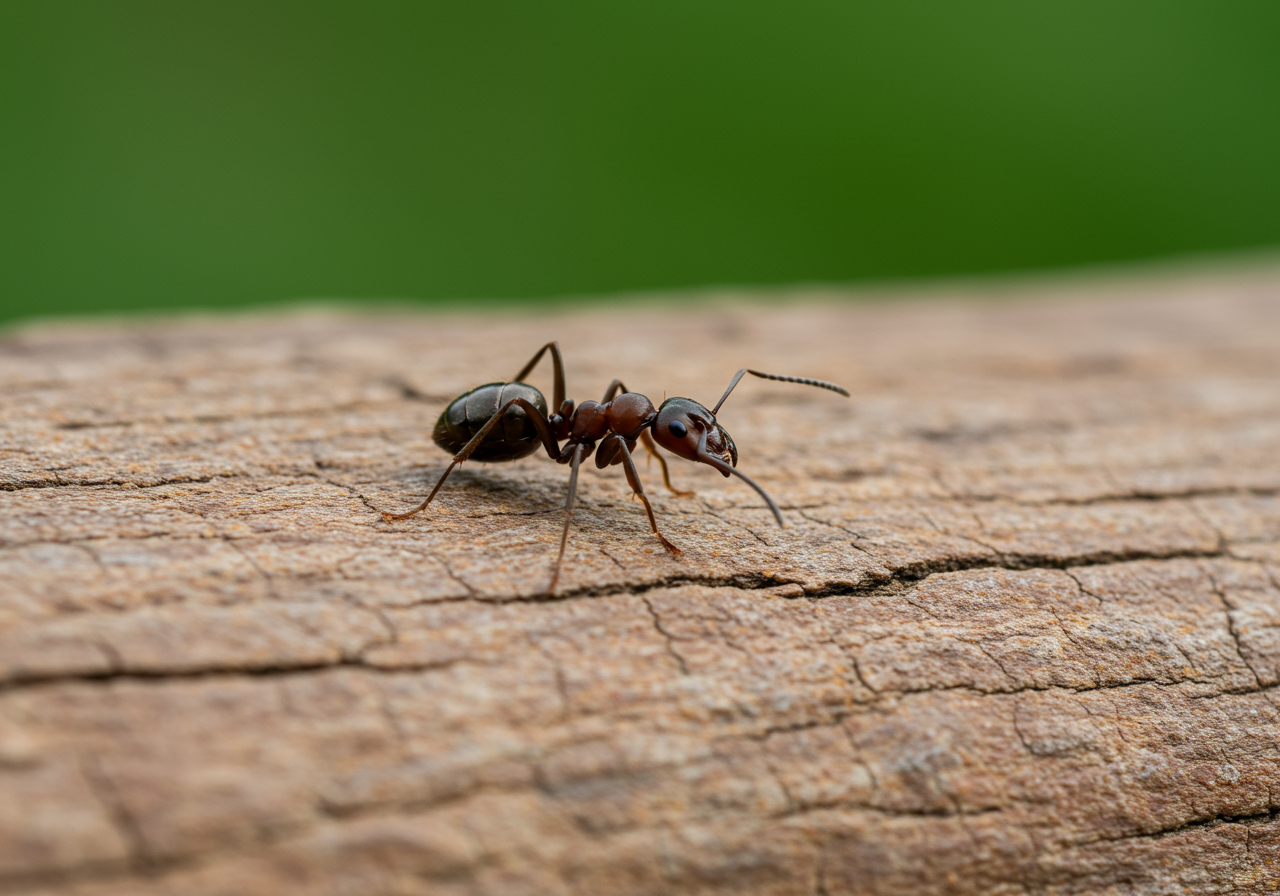
Carpenter ants, typically shiny black or reddish-brown and measuring 6–13 mm, are a serious threat to your home's structure. They excavate galleries in damp or decaying wood, often near moisture sources like leaky pipes or window frames. You won't typically see them eating wood, but rather hollowing it out to create nests.
A key sign of their presence is "frass" – fine sawdust-like material mixed with insect parts, often found beneath infested areas. You might also hear faint rustling sounds inside walls. Research in Central New York State found a strong link between annual rainfall and carpenter ant activity, emphasizing that moisture levels are a critical factor. If you suspect these wood-destroying ants, a carpenter ant exterminator is essential to prevent significant damage.
Understanding and Controlling Pharaoh Ants
Pharaoh ants are tiny (around 2 mm), yellow to light brown, and known for establishing multiple satellite nests. Their quick reproduction and habit of foraging in kitchens pose significant contamination risks, especially in hospitals or food service areas. Using baits containing ingredients like hydramethylnon or boric acid along baseboards and behind appliances is crucial for ant pest control against this species. Avoid general-purpose sprays, which can scatter the colony and make the problem worse. Consistent baiting for 4–6 weeks is often needed to eradicate them. Studies have shown that non-repellent liquid insecticides are effective for perimeter treatments against Pharaoh ants, supporting targeted baiting strategies.
Signs and Solutions for Odorous House Ant Infestations
Odorous house ants earn their name from the distinct rotten coconut smell they emit when crushed. They create long, visible trails to food sources, especially sweets and greasy residues. To manage them, focus on good sanitation: clean surfaces thoroughly and store food in sealed containers to disrupt their scent trails. Applying gel baits with ingredients like indoxacarb or fipronil at entry points and sealing cracks around doors and windows will help keep them out and stop colony growth.
Managing Pavement Ant and Fire Ant Problems Safely
Pavement ants typically nest under concrete slabs and sidewalks, while fire ants build noticeable mounds in lawns, posing both a nuisance and a safety hazard due to their painful stings. For pavement ants, applying granular insect growth regulators (IGRs) around the edges of their mounds can be effective. For fire ants, specific granular baits containing carbaryl or abamectin are used to treat mounds. It's crucial to use the right application methods to effectively eliminate these mounds without unnecessary use of broad-spectrum insecticides, ensuring safety for your property and the environment.
Why Argentine Ants Are Becoming a Problem in New Jersey
Argentine ants are highly adaptable and thrive in urban environments, forming massive supercolonies that can displace native ant species. Their tolerance for temperature changes and moisture makes gardens and irrigated areas particularly vulnerable. Addressing moisture issues in your landscaping and using targeted baits near garden beds are key strategies for pest control carpenter ants (if confused with carpenter ants due to moisture, though Argentine ants are general pests) and Argentine ants alike. Seasonal barrier sprays with bifenthrin can also help prevent these persistent invaders from establishing around your home.
Key Signs of an Ant Infestation in Your Home or Business
Catching ant activity early is crucial to prevent widespread colonies and potential costly structural damage. Recognizing these signs will help you take prompt action.
Spotting Ant Trails and Foraging Behavior
Ant trails are continuous lines of ants moving along walls, floors, or outdoor paths as they search for food and water. Indoors, check behind appliances, under sinks, and along baseboards. Outdoors, inspect foundations, garden mulch, and irrigation systems. These trails are effectively highways for ants, connecting their nests to food sources. Disrupting these trails can sometimes reveal the location of their nests, but it won't solve the underlying problem of the colony.
Typical Ant Nest Locations in New Jersey Properties
Ants in New Jersey often nest in protected, moist areas. Carpenter ants prefer decaying wood; Pharaoh ants hide in wall voids; and pavement ants nest under sidewalks. Our ant exterminator near me experts check crawl spaces, subfloor vents, and attics for wood-damaging species and investigate the soil around your foundation for pavement and fire ant colonies. We use specialized tools like moisture meters to find damp wood that might harbor nests, ensuring we target the source of the problem.
Distinguishing Flying Ants from Termites
It's common for homeowners to confuse flying ants with termites, but correctly identifying them is vital for the right treatment.
- Flying Ants: Have a narrow waist, bent antennae, and two pairs of wings where the front pair is noticeably longer than the back pair.
- Termite Swarmers: Have a broad waist, straight antennae, and two pairs of equally sized wings that they shed easily.
Finding shed wings, especially near windowsills, often indicates a termite swarm, not just ants. A professional ant exterminator can accurately identify the pest and recommend the correct course of action, which could involve termite control if it's not ants.
How Carpenter Ant Frass Indicates Structural Damage
As mentioned, carpenter ant frass—fine wood shavings mixed with dark debris—is a strong indicator of an active infestation within your home's structure. Its presence near baseboards, window frames, or wooden beams means they are actively tunneling. Consistent piles of frass require a professional inspection because this type of activity can lead to significant and expensive wood repairs if left unchecked.
DIY Ant Control vs. Professional Extermination in New Jersey
When facing an ant problem, many homeowners first reach for DIY solutions. However, understanding the effectiveness and limitations of these methods compared to professional services is crucial for lasting relief.
Effectiveness and Limitations of DIY Ant Control Methods
Common DIY solutions like vinegar sprays, diatomaceous earth, and homemade baits can offer temporary relief. Vinegar washes away ant scent trails, but it needs frequent reapplication and doesn't affect the nest. Diatomaceous earth can dehydrate ants, but it only works on those that come into direct contact and has no lasting impact on the colony. Sugar baits might attract ants, but they often don't contain enough active ingredient to wipe out a large colony or can even inadvertently feed nearby colonies.
The main limitation of DIY approaches is that they rarely eliminate the hidden nests and queen, leading to recurring infestations. For truly effective ant removal service, the entire colony must be addressed.
Why Choose Professional Ant Control in Ocean and Monmouth Counties?
Professional ant control provides thorough inspections, tailored treatments, and follow-up services for complete colony removal. Our local experts at Resolve Pest Management understand the specific ant behaviors and environmental factors in Ocean and Monmouth Counties that impact treatment success.
By combining advanced baiting, targeted barrier treatments, and Integrated Pest Management (IPM) principles, professionals deliver faster results and long-term prevention. We offer superior peace of mind, knowing your home is protected with effective and safe ant pest control.
When to Call a Professional Ant Exterminator
You should contact a professional ant exterminator when:
- Ant trails persist despite multiple DIY attempts.
- You notice visible structural damage from carpenter ants, signaling a need for
carpenter ant extermination. - Large fire ant mounds pose a safety risk to your family and pets.
- Infestations repeatedly return within weeks.
- You need
best ant exterminators near mewho understand local conditions.
Getting professional help quickly stops colony growth and prevents escalating treatment costs and potential damage.
Resolve Pest Management’s Integrated Pest Management (IPM) Approach
At Resolve Pest Management, our IPM strategy for ant control focuses on a comprehensive, long-term solution that minimizes chemical use while maximizing effectiveness. Our approach includes:
- Detailed Inspections: We meticulously map nests, entry points, and foraging trails.
- Addressing Conducive Conditions: We assess humidity levels and wood moisture to identify and recommend solutions for conditions that attract ants.
- Targeted Treatments: We use precise baiting and perimeter treatments to intercept foraging ants and eliminate the colony.
- Ongoing Monitoring and Maintenance: We follow up to ensure the problem is fully resolved and to prevent future issues.
This systematic method ensures effective, long-term ant removal and control.
Top Prevention Tips to Keep Ants Away from Your New Jersey Property
Taking proactive steps can significantly reduce the chances of ant control issues and lessen the need for reactive treatments.
Sealing Entry Points to Block Ant Access
Ants can squeeze through tiny openings. Seal any cracks around doors, windows, pipes, and foundation walls with caulk. Install door sweeps and ensure window screens are intact. Regularly inspect and seal these points, especially before spring and fall, to fortify your home's defenses and make it harder for ants to get inside.
Food Storage and Sanitation Practices to Deter Ants
Ants are constantly searching for food. Store pantry items in airtight containers made of glass or metal. Wipe down counters immediately after spills, clean up crumbs, and dispose of kitchen trash daily in sealed bins. Clean pet food areas after each meal. Removing outdoor food waste promptly will also discourage foraging ants. Maintaining a clean environment disrupts ant scent trails and makes your property less attractive.
How Exterior Landscaping Can Reduce Ant Infestations
Your landscaping can either invite or deter ants. Keep mulch at least six inches away from your foundation and trim back any vegetation touching your home's siding. These serve as bridges for ants. Ensure downspouts and irrigation systems direct water away from the building's perimeter to reduce moisture, which attracts many ant species. Some homeowners find that planting ant-repellent herbs like mint or lavender near entryways can also help.
The Importance of Regular Inspections for Long-Term Ant Prevention
Inspecting your property twice a year helps catch minor ant activity before it becomes a major infestation. Our ant pest control near me technicians can identify early warning signs like small soil mounds, damp wood, or faint ant trails, allowing for quick action that saves you time and money on repairs down the line.
Cost of Professional Ant Removal in New Jersey
Understanding the ant exterminator cost and ant exterminator price helps homeowners budget effectively for ant extermination and ongoing maintenance.
Here are the factors that influence the cost:
| Service Factor | Influence on Cost | Typical Range |
|---|---|---|
| Infestation Severity | Larger or established colonies require more extensive treatment. | $150–$400 |
| Ant Species | Wood-damaging species like carpenter ants (carpenter ant extermination) need specialized methods. |
+10–20% premium |
| Property Size | Larger areas require more labor and materials. | $0.20–$0.60 per sq ft |
| Treatment Method | Barrier sprays, baiting, or comprehensive IPM programs vary in complexity. | $100–$500 |
| Follow-up Visits | Scheduled checks ensure continued control. | $50–$150 per visit |
Free Estimates and Service Offers from Resolve Pest Management
Resolve Pest Management provides complimentary, no-obligation on-site assessments for homeowners and businesses in Ocean and Monmouth Counties. Each free estimate details the treatment plan, cost breakdown, and follow-up schedule, making financial planning straightforward. Contact us today for your estimate!
Ant Life Cycle and Colony Structure: Why It Matters for Control
Understanding ant biology is key to effective eradication. By targeting vulnerable stages and disrupting reproductive cycles, we ensure a lasting solution.
How Queen Ants and Colony Reproduction Impact Infestations
The queen ant is the heart of the colony. She can live for many years and lay thousands of eggs, continuously replenishing the ant population. Eliminating only the foraging worker ants provides temporary relief, as the queen will simply produce more. Targeting the queen or interrupting brood development with growth regulators is essential to prevent the colony from returning and is a cornerstone of effective ant control.
Roles of Worker Ants in Foraging and Nest Expansion
Worker ants are the ones you typically see. They are responsible for finding food, laying pheromone scent trails, and bringing resources back to the nest to feed the queen and larvae. Disrupting their foraging with systemic baits ensures that the toxic bait is carried back to the colony, ultimately eliminating the source of the problem.
How Pheromone Trails Influence Ant Movement and Control
Ants rely heavily on chemical pheromone trails to navigate between their nests and food sources. These trails act as invisible highways for communication. Placing bait stations directly along these active trails ensures that foraging ants readily discover and carry the toxic bait back to the colony, leading to effective, colony-wide ants control.
Safety Considerations for Ant Control with Children and Pets
At Resolve Pest Management, effectiveness and safety are paramount, especially when treating homes where children and pets live.
Family- and Pet-Friendly Treatment Options
We prioritize solutions that offer targeted control with minimal risk to non-target organisms. This includes using low-toxicity baits containing ingredients like borax or hydramethylnon, which are highly effective against ants but safer for your loved ones. Enclosed bait stations prevent pets from accessing the bait, and we can discuss botanical barrier sprays as an alternative to synthetic insecticides when appropriate.
Ensuring Effective Yet Safe Ant Extermination with Resolve Pest Management
Our professional ant exterminator technicians follow strict safety procedures. We assess risk areas, select the least toxic formulations approved for child and pet safety, and provide clear guidance on post-treatment precautions. This commitment to both effectiveness and safety is part of our S.T.I.N.G. promise – Service, Trust, Initiative, Nurture, and Grit – building lasting trust with our clients.
Your Local Ant Control Experts in New Jersey
Effective ant control in New Jersey requires local knowledge, precise identification of ant species, and strategic treatment methods. By recognizing infestation signs, understanding the benefits of professional options, implementing prevention, and prioritizing safety, homeowners and businesses can regain control and prevent future problems.
Resolve Pest Management is a locally owned and operated pest control company based in Bayville, NJ, proudly serving Ocean and Monmouth Counties, including cities like Toms River, Brick, Lakewood, Freehold, Middletown, and many more. We specialize in protecting homes and businesses from ants, rodents, termites, roaches, mosquitoes, and wildlife. What makes us unique is our S.T.I.N.G. promise — Service, Trust, Initiative, Nurture, and Grit — values that guide every interaction with our customers.
We offer tailored ant pest control plans, 24-Hour Emergency Pest Control for urgent infestations, and family- and pet-friendly solutions. Our 24-hour response team is available for sudden, widespread infestations or aggressive fire ant attacks, offering rapid scheduling and same-day treatments to quickly restore your comfort and safety.
Partnering with Resolve Pest Management means reliable, family-friendly solutions backed by regional expertise and a dedication to long-term protection. Don't let ants take over your home; contact us today for a free, no-obligation estimate at (732) 527-5770 or visit our New Jersey Pest Exterminator Services page to learn more about how we can help you get rid of ants for good.
Get Your Free Pest Control Quote in Bayville, NJ
Ready to reclaim your home from unwanted pests? Resolve Pest Management offers effective pest control solutions right here in Bayville, NJ. Fill out our simple form, and a friendly local expert will call you back to provide a free, no-obligation quote tailored to your specific needs. Start your journey to a pest-free home today!
More Blogs
Some other blogs you might be interested in