Seal Entry Points: Keep Pests Out of Your NJ Home & Business
Tired of unwanted pests? Learn how to seal entry points in your home or business effectively. Our guide covers simple steps to identify and fix cracks, gaps, and openings that let pests like mice, ants, and roaches in. Get practical DIY tips and find out when to trust the local experts at Resolve Pest Management in Ocean & Monmouth Counties, NJ, to keep your property pest-free for good.
Seal Out Pests: Your Guide to a Pest-Free Home or Business
Pests aren't just annoying; they can cause real damage to your home or business and even put your family's or customers' health at risk. The good news? Many pest problems can be stopped before they even start by simply sealing up the places they use to get inside. This smart approach is called pest exclusion, and it's all about finding and closing the cracks, gaps, and openings that ants, mice, raccoons, and other unwanted guests use as their private entrance.
This guide will walk you through practical, step-by-step pest-proofing techniques. You'll learn how to spot common entry points, discover which materials and methods work best for different gap sizes, and prioritize repairs so you can stop pests before they nest. We'll cover straightforward DIY tasks, clear signs that it’s time to call in a professional, and even compare what you can do yourself versus the benefits of professional exclusion services. Plus, if you're in Ocean or Monmouth Counties, New Jersey, you'll find out how local, family-owned support can help.
Keep reading for checklists, material comparisons, and simple decision tools that make your pest-exclusion efforts reliable and long-lasting.
Where Do Pests Usually Get In? Finding the Weak Spots
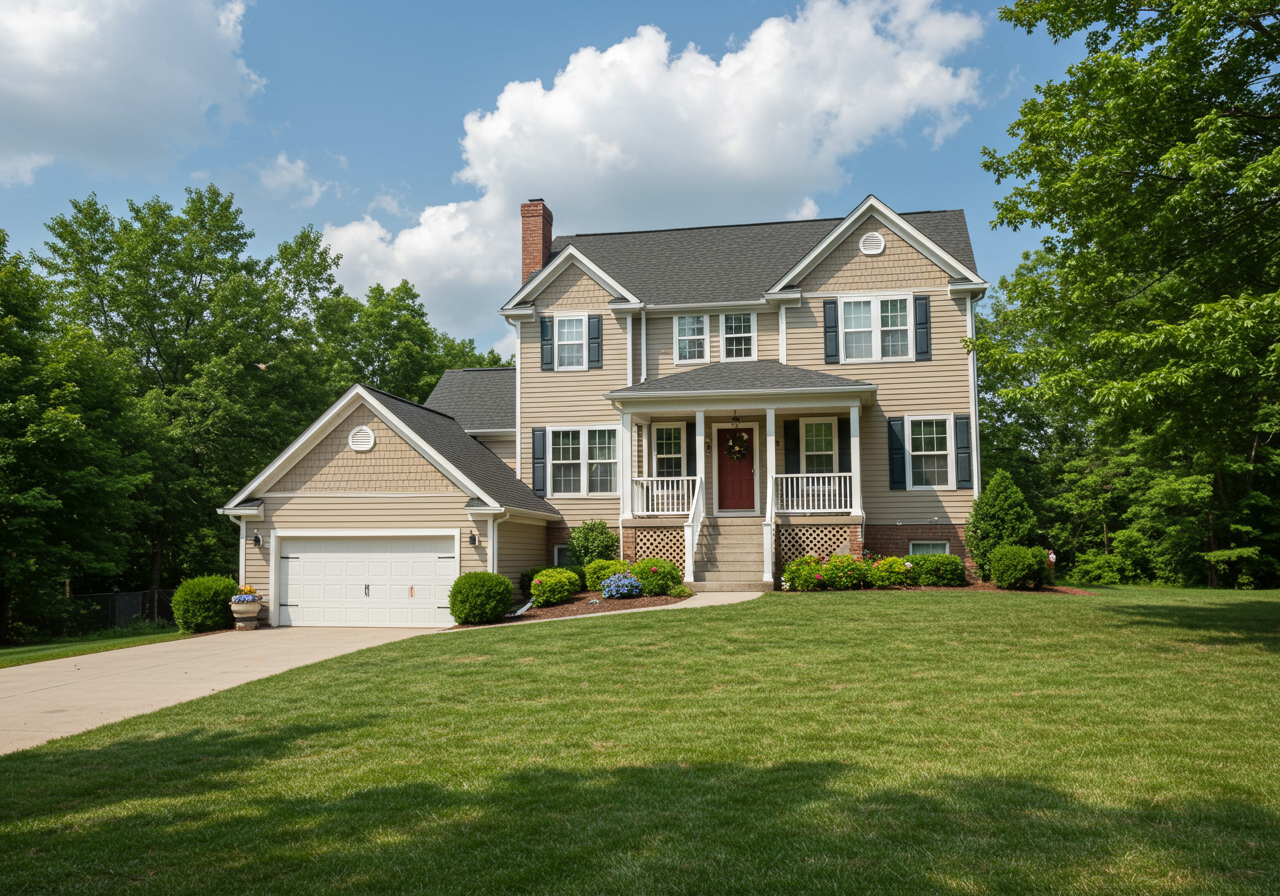
Think of your home or business as having a protective shell. Pest entry points are the weak spots in this shell – like tiny doors or hidden tunnels pests use to sneak indoors. These can be foundation cracks, gaps around doors and windows, openings for vents and pipes, loose roof shingles, or unsealed attics and crawl spaces.
Pests love these dark, sheltered passages because they often lead directly to food, water, or cozy nesting spots. Tiny insects can squeeze through cracks as thin as a hair, while a mouse only needs a gap larger than a quarter inch to get inside. Sealing these areas early dramatically reduces how quickly an infestation can spread and prevents costly damage to insulation, wiring, and other parts of your property.
It's a good idea to inspect regularly. Seasonal weather, like winter freezes and spring thaws, can make small gaps worse over time, so proactive sealing really pays off.
Different pests often prefer different ways in. This short list helps you focus your inspection and tackle quick fixes first:
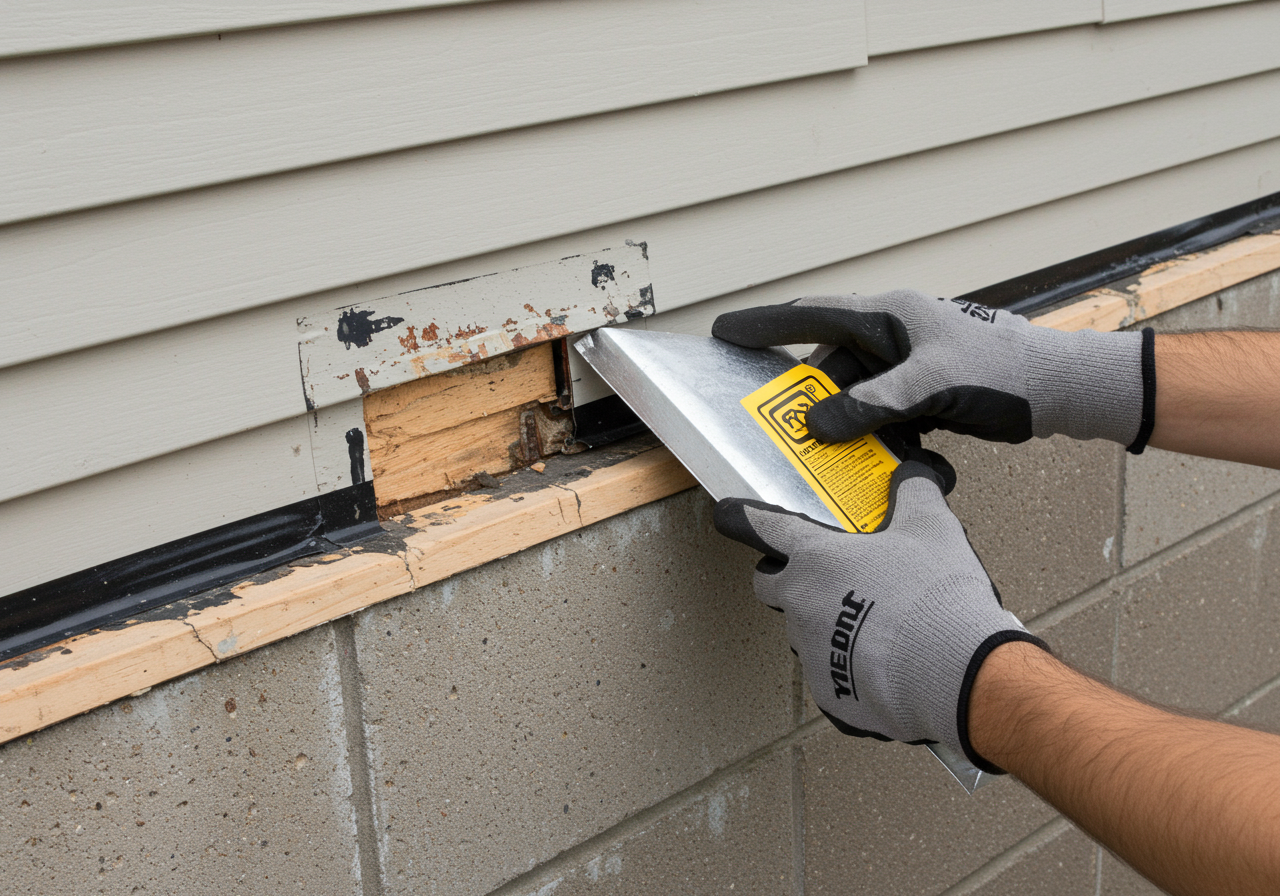
- Foundation cracks and gaps under siding are prime routes for rodents (like mice and rats) and ground-nesting insects.
- Gaps around doors and windows are an open invitation for ants, cockroaches, and even small rodents searching for food and warmth indoors.
- Vents, pipes, and utility penetrations where wires or pipes enter your home are easy access points for mice and nesting insects.
- Roof openings and loose soffits are often where larger wildlife, like squirrels and raccoons, find their way into your attic.
Here's a quick guide to help you identify common entry points, the pests they attract, and what to look for:
| Entry Point Vulnerability | Typical Pests / Detection Tips |
|---|---|
| Foundation cracks | Rodents, ants; check for droppings, gnaw marks, or disturbed soil, horizontal or vertical hairline to larger gaps. |
| Door/window gaps | Ants, roaches, mice; look for trails, grease marks, or light showing at night, gaps at thresholds or rotten frames. |
| Vents & pipes | Birds, bats, insects; listen for noises and inspect attic and crawlspace vents for screen damage or loose collars. |
| Roof/soffits | Squirrels, raccoons, starlings; look for torn shingles, entry holes, or chewed wood, missing flashing or gaps. |
| Attic & crawl spaces | Rodents, raccoons, insects; check for disturbed insulation, droppings, and tracks, unsealed penetrations or open vents. |
Which Pests Prefer Which Entry Points?
Knowing what kind of pest uses which type of opening can help you seal more effectively:
- Rodents (like mice and rats) prefer gaps larger than a quarter inch. They often travel along foundation lines, inside wall voids, and along utility runs where they can stay hidden and warm.
- Insects such as ants and termites can exploit even hairline cracks, especially where wood meets soil or in damp areas with food residue.
- Larger wildlife like raccoons and squirrels need bigger openings, typically several inches wide. They usually enter through rooflines, weakened soffits (the underside of your roof's overhang), or loose vent covers.
The time of year also matters: cold weather often pushes rodents indoors, while warmer, wetter seasons increase insect activity near foundations. Understanding these habits helps you choose the right materials, whether it's a rodent-proof barrier or an insect-focused seal.
Why Even Tiny Cracks Matter for Pests
You might think a small crack isn't a big deal, but for pests, it's an invitation. Tiny cracks create perfect little microclimates – spots with consistent temperature and humidity – that pests love. They also allow scent trails to linger, which can draw even more pests to the same spot. Gaps around doors and windows often lead to hidden spaces behind walls, becoming repeat targets for insects and mice.
It’s smart to prioritize sealing near kitchens, basements, and where utilities enter your home, as these areas are close to food and water, which raises the risk of infestation. Use a flashlight and a small mirror to inspect hidden recesses, and mark gaps by their size so you can choose the right sealing material. Fixing these priority openings first will quickly lower your immediate pest risk and set you up for more comprehensive exclusion work.
Choosing the Best Materials to Seal Entry Points
The right material for sealing depends on a few things: the size of the gap, the type of pest you’re trying to keep out, and whether the area is exposed to weather.
- For hairline gaps, like those around window perimeters or trim, silicone or acrylic-latex caulk creates a flexible, paintable seal that blocks insects and small drafts.
- Larger voids or holes often work best with a layered approach. Pack steel wool or copper mesh into the opening first, then seal over it with exterior-grade expanding foam. This way, rodents can't chew straight through.
- Moving joints at doors and windows need solutions that allow them to open and close. Weatherstripping and door sweeps are perfect for this, keeping pests out while still allowing your doors and windows to function.
When choosing materials, think about how long they’ll last and if they’re safe for pets. For areas prone to chewing or heavy use, you might need sturdy options like metal flashing or mesh secured with screws.
Here’s a helpful comparison of common pest-exclusion materials:
| Material | Best For | Pros / Cons |
|---|---|---|
| Silicone/Acrylic Caulk | Hairline cracks, window perimeters | Durable and paintable; great for insects and drafts. Not suitable for wide gaps. |
| Steel Wool + Mesh | Rodent exclusion at medium gaps | Excellent chew barrier for rodents; needs a protective topcoat (like foam or caulk) to prevent rust. |
| Expanding Foam (exterior grade) | Voids and irregular cavities | Fills and bonds well, offering good insulation. Untreated foam can be chewed by rodents. Use with steel wool for best rodent protection. |
| Weatherstripping / Door Sweeps | Moving joints at doors/windows | Maintains seals while allowing movement; requires periodic replacement. |
| Metal Mesh / Flashing | Vents, soffits, roofline | Very durable against wildlife and chewing; must use correct gauge and secure fastening. |
How Caulk, Foam, and Steel Wool Stop Pests
Each material plays a specific role in keeping pests out:
- Caulk closes narrow joints, eliminating the tiny air channels and scent paths insects use to navigate. It creates a smooth, impenetrable surface, ideal around frames and trim.
- Expanding foam is excellent for filling irregular voids and restoring insulation. When paired with an inner layer of chew-resistant material like steel wool, it creates a strong barrier against insects and small rodents.
- Steel wool or copper mesh creates a physical, chew-resistant barrier. The sharp, abrasive fibers deter rodents from chewing through. When sealed over, it becomes a long-term solution.
For the best results, always ensure surfaces are clean and dry before applying, and follow proper layering techniques. This multi-layer strategy addresses both insect and rodent behavior, making your exclusion work last longer than quick, temporary fixes.
When to Use Weatherstripping, Door Sweeps, and Mesh Screens
These specialized exclusion products are key for specific areas:
- Weatherstripping: Use for gaps under ¼ inch where movement is frequent and temperature control is important (e.g., around door and window frames). Durable options like EPDM or felt work well for repeated motion and can often be painted.
- Door Sweeps: These are crucial for closing the gap at the bottom of doors, especially exterior ones. They keep insects and small rodents out while allowing the door to open and close smoothly. Install them with corrosion-resistant screws.
- Mesh Screens: Use these to protect vents and roof openings while still allowing airflow. Coarse mesh can keep out larger wildlife, while finer mesh helps deter insects. Stainless steel mesh is generally preferred for durability.
Choosing the correct product for each opening reduces ongoing maintenance and prevents recurring pest breaches.
DIY Pest Proofing: What You Can Do Yourself
Many pest-exclusion tasks are homeowner-friendly! Here’s a guide to help you decide when to DIY and when it’s best to call a professional:
| DIY Task Difficulty / Tools | Time Estimate / When to Call a Pro |
|---|---|
| Caulking small cracks | Low difficulty (caulk gun, backer rod). 30–60 minutes per area. Call a pro for persistent leaks or structural cracks. |
| Installing door sweep | Low difficulty (screwdriver, measuring tape). 20–40 minutes. Call a pro if thresholds are warped or rot is present. |
| Vent screening | Medium difficulty (snips, drill, stainless mesh). 1–2 hours. Call a pro for high soffit or roof work, or existing wildlife damage. |
| Filling large voids (foam+mesh) | Medium difficulty (protective gear, foam, mesh). 1–3 hours. Call a pro for recurring rodent activity or extensive wall voids. |
Your Step-by-Step DIY Pest Proofing Guide
An effective DIY approach follows a simple flow: inspect, measure, choose materials, apply, then monitor.
- Inspect: Start with a detailed walk around the perimeter of your home or business. Use a flashlight and mark any gaps with chalk or tape. Make a note of the size of each opening. Pay special attention to foundation lines, door thresholds, vents, and where utility lines enter the building.
- Prepare: Remove any debris, dirt, or old, loose sealant from the area you plan to seal. A clean surface helps new materials stick properly.
- Caulk Hairline Cracks: For very narrow cracks (up to about ¼ inch), use a good quality silicone or acrylic-latex caulk. For deeper joints, insert a backer rod first to fill the space and ensure the caulk has enough material to adhere to. Tool the caulk bead smooth for a weather-resistant finish.
- Seal Medium Gaps (Rodent Proofing): For openings larger than a ¼ inch, especially where rodents might enter, first pack steel wool or copper mesh tightly into the gap. Then, apply exterior-grade expanding foam over the mesh to secure it and create an airtight seal. Once the foam cures, you can trim any excess flush and, if desired, paint it to match your exterior.
- Address Moving Joints: Install weatherstripping around the frames of doors and windows that have gaps. For the bottom of doors, install a durable door sweep. Make sure these are properly aligned to create a tight seal without hindering movement.
- Monitor: After making your repairs, keep an eye out for any new signs of pest activity over the next few weeks. Pests are persistent and will test other weak spots if their usual entry is blocked.
DIY pest proofing is a cost-effective solution for small, accessible gaps and immediate prevention. However, there are limits to what DIY can achieve.
When to Call the Experts: Professional Pest Exclusion
While DIY efforts are valuable, there are times when professional rodent proofing or pest exclusion is highly recommended:
- When DIY doesn't stop re-entry: If you’ve sealed gaps but pests keep finding their way in, it’s time for professional help.
- Structural damage: If pests (especially wildlife) have caused significant damage to your home’s structure, like chewed wood or torn insulation, a professional can assess and repair it properly.
- Infestations in inaccessible voids: Pests hiding inside walls, attics, or crawl spaces can be hard to reach safely and effectively without specialized tools and knowledge.
- Commercial properties: Businesses often have specific regulations regarding pest control and exclusion, making professional services a necessity for compliance and reputation.
- Wildlife entry: Dealing with larger animals like raccoons or squirrels often requires humane removal and heavy-duty exclusion materials that go beyond typical DIY supplies.
Professional pest control companies bring heavy-gauge mesh, durable metal flashing, and secure fastening techniques. They also have expertise in handling attics and crawl spaces safely, which often involves working at heights or in confined spaces. Many professionals offer warranties and monitoring plans, along with humane wildlife exclusion that protects both people and pets. For businesses, professional exclusion reduces liability and helps meet health standards.
Resolve Pest Management: Your Local Pest Exclusion Experts in NJ
For homeowners and businesses in Ocean and Monmouth Counties, New Jersey, Resolve Pest Management is your local, family-owned solution. Based right in Bayville, NJ, we specialize in providing comprehensive pest control and wildlife exclusion services with a solid Pest Free Guarantee.
Our exclusion services are designed to protect your property from the ground up. This includes installing exterior rodent bait stations to manage rodent populations around your property, crawlspace and basement pest control to seal off these common entry points, and wildlife exclusion that uses pet- and family-friendly options. We can even offer organic programs when appropriate for your specific needs.
We understand the unique pest challenges of our area, from the seasonal rodent pressures in winter to the increased insect activity during humid Jersey Shore summers. Our team provides fast scheduling, 24-hour emergency response for urgent issues, and no-contract service options because we believe in earning your business with reliable results, not long-term commitments. We tailor our plans to the coastal and suburban building types common across Ocean and Monmouth Counties, ensuring effective and long-lasting protection.
The Benefits of Professional Pest Exclusion with a Pest Free Guarantee
Choosing professional exclusion means investing in durable, tested materials and installation techniques that significantly lower the chance of repeat pest breaches. And with a Pest Free Guarantee, the responsibility shifts: if pests manage to re-enter through an excluded area, your provider typically reinspects and repairs it at no extra cost.
Pest control specialists also handle safety risks by working in high or hard-to-reach areas and use Integrated Pest Management (IPM) practices, which prioritize family- and pet-safe options. Choosing professionals saves you time, reduces trial-and-error, and delivers documented peace of mind backed by local service capabilities. These benefits make professional exclusion a cost-effective choice when long-term protection and safety are your top priorities.
Local Expertise Makes All the Difference in New Jersey
Pest behavior and building construction can vary greatly by region. That’s why local expertise is invaluable. Our technicians at Resolve Pest Management understand the specific challenges faced by homes and businesses in Ocean and Monmouth Counties. We know the common construction details of coastal cottages, homes with basements, and properties with crawl spaces in our area. This knowledge guides our material selection, helps us prioritize repairs, and ensures we time our interventions to minimize disruption and maximize effectiveness.
Our fast local scheduling and emergency response mean that pest problems are addressed before they can escalate, and our targeted plans account for local municipal rules and common construction details. For homeowners and business owners, this local insight directly improves the durability and suitability of our exclusion work, leading to better, longer-lasting results.
Don't let pests make themselves at home. Whether you're tackling small gaps yourself or need expert help for a larger problem, a proactive approach to sealing entry points is the best way to protect your property and peace of mind.
Ready to secure your home or business from unwanted pests? Contact Resolve Pest Management today for expert pest exclusion services in Ocean and Monmouth Counties, NJ. Give us a call at (732) 527-5770 or visit our website to learn more about how we can help you achieve a pest-free environment.
Request Your Free Pest Control Quote Today!
Ready to get rid of pests for good in your Bayville, NJ home? Resolve Pest Management offers expert, local pest control solutions. Fill out our simple form, and we'll call you back quickly with a free, no-obligation quote tailored to your specific needs. Let us help you achieve a pest-free home with peace of mind.
More Blogs
Some other blogs you might be interested in