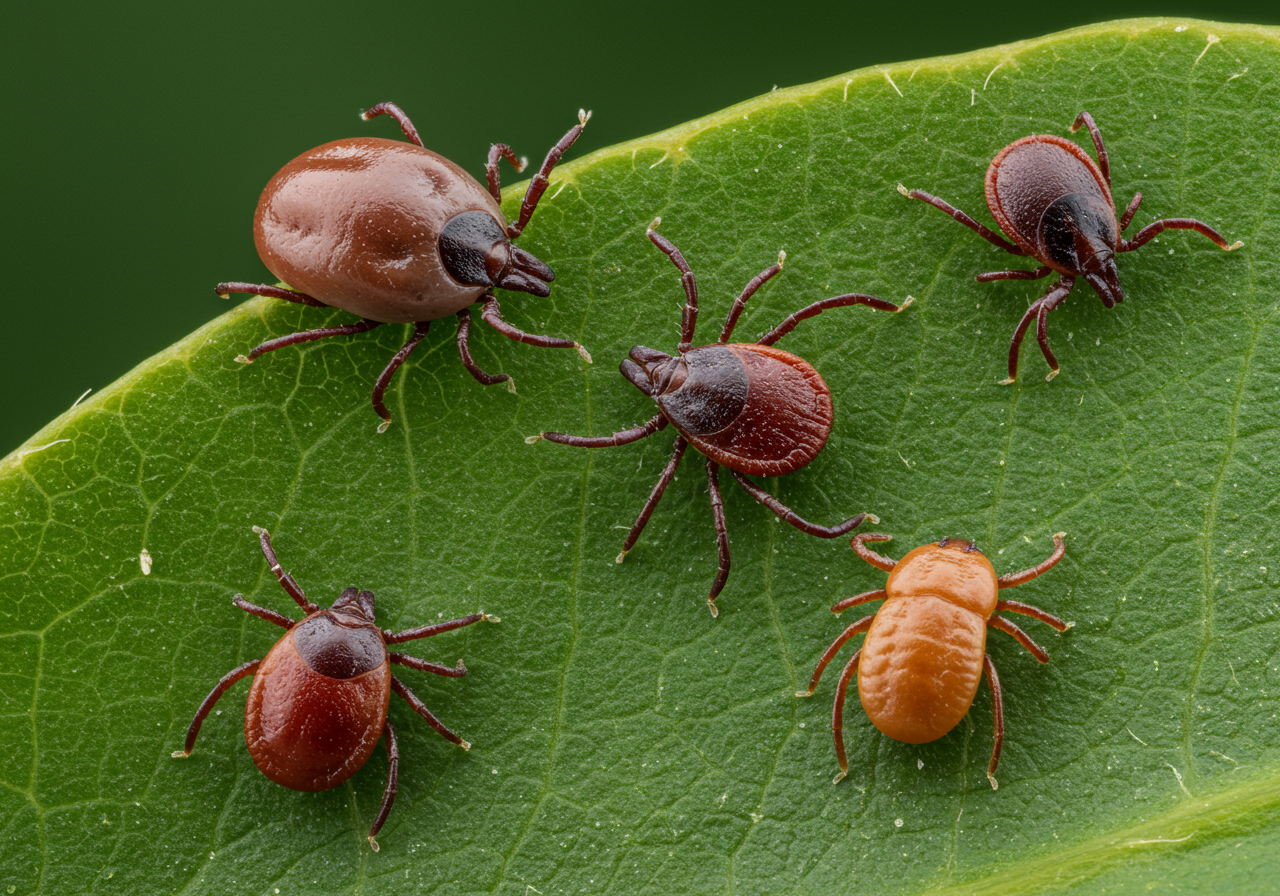
New Jersey Ticks: Your Homeowner's Guide to Identification & Protection
Worried about ticks in your New Jersey yard? This easy-to-understand guide helps homeowners in Ocean and Monmouth Counties easily identify common local species like the blacklegged (deer) tick, lone star tick, and dog ticks. Discover key visual cues, understand potential health risks, and learn effective prevention and removal strategies. Get expert advice and professional solutions from Resolve Pest Management to keep your home and yard safer all year round.
Your New Jersey Tick Guide: Spotting Common Species & Staying Safe
Ticks are more than just creepy crawlies; these tiny creatures can carry diseases that can affect your family and pets. In New Jersey, especially in areas like Ocean and Monmouth Counties, knowing how to spot different types of ticks is a powerful way to protect yourself. This guide will help you become a tick-spotting pro, showing you what to look for and when to call in the experts.
Why Should You Care About Tick ID?
Ticks might be small, but the diseases they can spread are serious. From Lyme disease to other less common but equally concerning illnesses, an informed approach to ticks can make a big difference. Different ticks look different, hang out in different places, and carry different risks. Understanding these differences helps you know when to be extra careful and what steps to take if you find one.
Common New Jersey Ticks: A Visual Guide
Let's get up close with the ticks you're most likely to encounter in the Garden State. We'll focus on what makes each one unique, where they like to hide, and the potential health concerns they bring.
The Blacklegged (Deer) Tick: Small but Mighty
(Imagine an image here: Close-up of a blacklegged tick on a leaf, showing its reddish-brown body and darker legs)
The blacklegged tick, often called the deer tick, is a familiar name to many in New Jersey. They are quite small, with adults being about the size of a sesame seed, and the younger nymphs even tinier.
- Appearance: Look for a reddish-brown body with darker, almost black, legs. Adults have a smooth, dark shield (scutum) just behind their head. They also have relatively long mouthparts.
- Habitat: These ticks love leaf litter, wooded edges, and brushy areas – basically, anywhere it's cool and damp.
- When They're Active: Nymphs are most active from late spring to early summer, which is a key time for human encounters.
- Health Alert: The blacklegged tick is the primary carrier of Lyme disease in New Jersey, and can also spread anaplasmosis and babesiosis.
Did You Know? Research from G.J. Hickling in 2015 showed that even within the same species, blacklegged tick nymphs behave differently depending on where they live, affecting how likely they are to encounter people. This means local conditions really matter!
Resolve Pest Management Tip: If you have wooded areas bordering your yard, especially near play areas or outdoor living spaces, these are prime spots for deer ticks. Our team offers specialized yard-edge treatments and inspections to reduce the tick population around your home.
The Lone Star Tick: That White Spot Gives It Away
(Imagine an image here: Close-up of a lone star tick, clearly showing the female's single white spot on her back)
The lone star tick is usually a bit easier to spot, especially the adult female, thanks to her distinctive marking.
- Appearance: These ticks are generally a bit rounder and slightly larger than blacklegged ticks. The female is easily identified by a single, prominent white spot on her back (scutum). Immature ticks might be a uniform light brown.
- Habitat: They prefer dense undergrowth, wooded areas, and forest edges. They're quite aggressive and actively seek out hosts.
- When They're Active: Activity peaks from spring through summer.
- Health Alert: Lone star ticks can transmit ehrlichiosis. In some cases, their bites have also been linked to alpha-gal syndrome, which is a type of allergy to red meat.
Resolve Pest Management Tip: If you're seeing frequent lone star tick activity in your yard, we can help. Our team provides targeted perimeter treatments and advice on how to modify your yard's habitat to make it less welcoming for these aggressive ticks.
The American Dog Tick: The Ornate Explorer
(Imagine an image here: Close-up of an American dog tick, highlighting its patterned or mottled back)
The American dog tick is one of the larger ticks you might encounter and has a distinct look.
- Appearance: Adults can range from the size of a sesame seed to a sunflower seed (when unfed). They are known for their ornate, patterned shield (scutum) that often has white or yellowish markings on a brown background. Their mouthparts are shorter compared to blacklegged ticks.
- Habitat: They love grassy areas, trail edges, and roadside vegetation. You'll often find them waiting on low plants, ready to grab onto a passing host.
- When They're Active: These are common ticks you'll find after outdoor activities, especially on dogs.
- Health Alert: While Rocky Mountain spotted fever is rare in New Jersey, American dog ticks can occasionally transmit other infections.
Resolve Pest Management Tip: Regular yard maintenance like mowing and brush removal helps a lot by reducing their preferred habitat. If American dog ticks are a persistent problem on your property, Resolve Pest Management offers targeted treatments to manage their numbers.
The Brown Dog Tick: The Indoor Invader
(Imagine an image here: Close-up of a brown dog tick, showing its uniform brown color and narrow body)
The brown dog tick is unique because it's the only tick in New Jersey that can complete its entire life cycle indoors.
- Appearance: This tick is uniformly brown and has a narrower, elongated body. You'll find them in all stages of life, and they all look consistently brown.
- Habitat: Unlike other ticks, the brown dog tick frequently feeds on dogs and can establish breeding populations inside homes, kennels, and apartments. You might find them in cracks, behind baseboards, under carpets, or near dog bedding.
- When They're Active: They can be a problem year-round, especially indoors.
- Health Alert: This tick is known to transmit Ehrlichia canis (a canine disease) and can cause persistent indoor infestations that are tough to get rid of without professional help.
Resolve Pest Management Tip: If you're finding ticks indoors, especially near your dog's living areas, it's a strong sign of a brown dog tick infestation. Resolve Pest Management specializes in assessing these indoor problems and implementing targeted treatment plans to eliminate them.
Quick Comparison: Your Tick ID Cheat Sheet
This table helps you quickly compare the most useful traits for identifying common New Jersey ticks:
| Species | Key Traits | Typical Habitat | Notable Diseases (NJ) |
|---|---|---|---|
| Blacklegged (Deer) Tick | Small, reddish-brown; dark legs; long mouthparts | Leaf litter, wooded edges, brush | Lyme disease, anaplasmosis, babesiosis |
| Lone Star Tick | Female with single white spot on back; rounded body | Shrubland, forest edges, dense brush | Ehrlichiosis; linked to alpha-gal syndrome in some cases |
| American Dog Tick | Ornate, patterned back; larger adult size | Tall grass, trails, roadside verges, lawns | Rocky Mountain spotted fever (rare); occasional other infections |
| Brown Dog Tick | Uniform brown, narrow body; often found indoors | Indoors, kennels, shaded yard areas | Can transmit Ehrlichia canis (canine); causes indoor infestations |
Deer Ticks vs. Dog Ticks: The Main Differences
It's easy to get these confused, but knowing the differences helps you react appropriately:
- Size & Mouthparts: Deer ticks (blacklegged) are generally smaller and have longer mouthparts. Dog ticks (American and brown) are typically larger with shorter mouthparts.
- Markings: The American dog tick has noticeable patterns on its back, while the brown dog tick is uniformly brown. Deer ticks are reddish-brown with dark legs and a dark shield.
- Habitat & Behavior: Deer ticks prefer the damp, shaded areas of woodlands. Dog ticks are often found in grassy, open areas (American dog tick) or primarily indoors with dogs (brown dog tick).
Spotting these details helps you understand the potential risk and guide your next steps, whether it's checking your pets more carefully or calling for professional help.
Tick Bites: What to Look For & When to Seek Help
(Imagine an image here: Person checking skin for ticks after outdoor activity to emphasize prevention and early detection)
Finding a tick attached to you or a loved one can be unnerving. Sometimes, a tick bite causes no immediate symptoms, but it's important to know what signs might point to a tick-borne illness.
Typical Symptoms and Signs of a Tick Bite
- Local Reaction: You might see a small, painless bump or mild redness where the tick was attached.
- Systemic Symptoms (Days to Weeks Later): These are more concerning. Look out for:
- Fever
- Fatigue
- Headache
- Muscle aches
- Rashes (some are very distinctive, like the "bull's-eye" rash of Lyme disease)
Early recognition and prompt medical attention are crucial for better outcomes with diseases like Lyme, ehrlichiosis, and anaplasmosis.
What Early Symptoms Indicate a Tick-Borne Disease?
Symptoms can vary and usually show up anywhere from 3 to 30 days after a bite.
| Disease | Early Symptoms | When to Seek Care |
|---|---|---|
| Lyme disease | Spreading rash (erythema migrans, often a "bull's-eye"), fever, fatigue, joint pain | See a doctor for any rash or flu-like symptoms within days of a bite. Early treatment is key! |
| Ehrlichiosis | Fever, headache, muscle aches, nausea | Get care for fever or flu-like symptoms within 1–2 weeks after possible exposure. |
| Anaplasmosis | Fever, headache, general unwell feeling, cough | Get evaluated for persistent fever after a known tick bite. |
| Rocky Mountain Spotted Fever | High fever, severe headache, rash (often starts on wrists/ankles), nausea | Seek URGENT medical attention for high fever and rash – this can get serious quickly. |
If you develop any of these symptoms after a tick encounter, tell your doctor about the bite, including where and when it happened, and if you know what kind of tick it was.
When Should You Seek Medical Attention?
- Remove the Tick Safely: Use fine-tipped tweezers to grasp the tick as close to the skin as possible. Pull straight out firmly and steadily. Clean the bite area with rubbing alcohol or soap and water. If possible, save the tick for identification, or take a clear picture.
- Monitor: Watch the bite site and your overall health for at least 30 days.
- Seek Medical Help If: You develop fever, a rash (especially a bull's-eye), increasing redness at the bite site, or other concerning symptoms like severe headache or facial droop.
In some high-risk situations (like a known blacklegged nymph bite in a Lyme-heavy area), your doctor might discuss a single dose of antibiotics as a preventative measure.
Protecting Your Home and Family: Prevention Strategies
The best defense is a good offense! A combination of personal protection, smart landscaping, and professional help can significantly lower your tick risk.
What DIY Tick Prevention Tips Are Effective?
These practical tips make a big difference when used consistently:
- Maintain Your Yard:
- Mow Regularly: Keep your lawn short.
- Remove Leaf Litter: Ticks love cool, damp places like piles of leaves.
- Create Barriers: Place wood chips or gravel between wooded areas and your lawn or play spaces. This discourages ticks from moving into your main yard.
- Personal Protection:
- Repellents: Use EPA-registered tick repellents on exposed skin and clothing when heading into tick-prone areas. Always follow label directions.
- Protective Clothing: Wear long pants and sleeves, tucking pants into socks, when hiking or working in tall grass.
- Check Yourself: Always do a thorough tick check after spending time outdoors, especially checking hair, ears, armpits, belly button, behind knees, and groin area.
- Protect Your Pets:
- Preventatives: Talk to your vet about year-round tick prevention for your dogs and cats.
- Daily Checks: Check your pets daily for ticks, especially after they've been outside.
These DIY steps are crucial, but sometimes, they're not enough, especially in areas with high tick activity.
DIY vs. Professional Tick Control
| Prevention Method | Effectiveness / Use Case | Best For / Limitations |
|---|---|---|
| Lawn maintenance | Moderate; reduces preferred tick habitat | Good routine; requires ongoing work. |
| Physical barriers | Moderate–High; helps block tick movement | Effective for smaller yards; not a complete solution alone. |
| Repellents | High for individual protection | Protects people or pets only; requires reapplication. |
| Professional perimeter treatments | High; significantly lowers tick populations on the property | Best when DIY isn't enough; needs scheduled service for continued protection. |
When Is Professional Tick Control Recommended in Ocean and Monmouth Counties?
Sometimes, ticks can feel overwhelming, especially if you live in a heavily wooded area or have experienced a tick-borne illness in your family or pets. That's when it's time to call in the professionals.
You should consider professional tick control services if:
- DIY methods aren't enough: You're still finding ticks despite your best efforts.
- Your property borders wooded areas: This creates a constant source for ticks.
- You or your pets have had a tick-borne disease: Reducing tick numbers becomes even more critical.
- You suspect an indoor brown dog tick infestation: These require specialized indoor treatments.
Resolve Pest Management understands the unique tick challenges faced by homeowners in Ocean and Monmouth Counties, NJ. Our local experts can conduct a thorough inspection to identify tick hotspots on your property. We then recommend targeted solutions, whether it's perimeter treatments for outdoor ticks or specialized indoor plans for brown dog tick issues.
We time our treatments to match seasonal tick activity, ensuring maximum effectiveness throughout the spring and summer months when ticks are most active. Our goal is to help you reduce disease risk and enjoy your outdoor spaces with peace of mind.
For a customized plan to protect your family and pets in Ocean and Monmouth Counties, contact Resolve Pest Management. We offer clear, practical guidance and professional services. Call us at (732) 527-5770 or visit our website to schedule an inspection or request a treatment quote tailored to your property’s specific needs.
Free Pest Control Quote in Bayville, NJ | Resolve Pest Management
Ready to get rid of unwanted pests in your home? Fill out our simple form to receive a free, no-obligation pest control quote from Resolve Pest Management. Our local Bayville experts will contact you quickly to discuss effective solutions tailored to your needs, helping you reclaim a comfortable, pest-free home.
More Blogs
Some other blogs you might be interested in