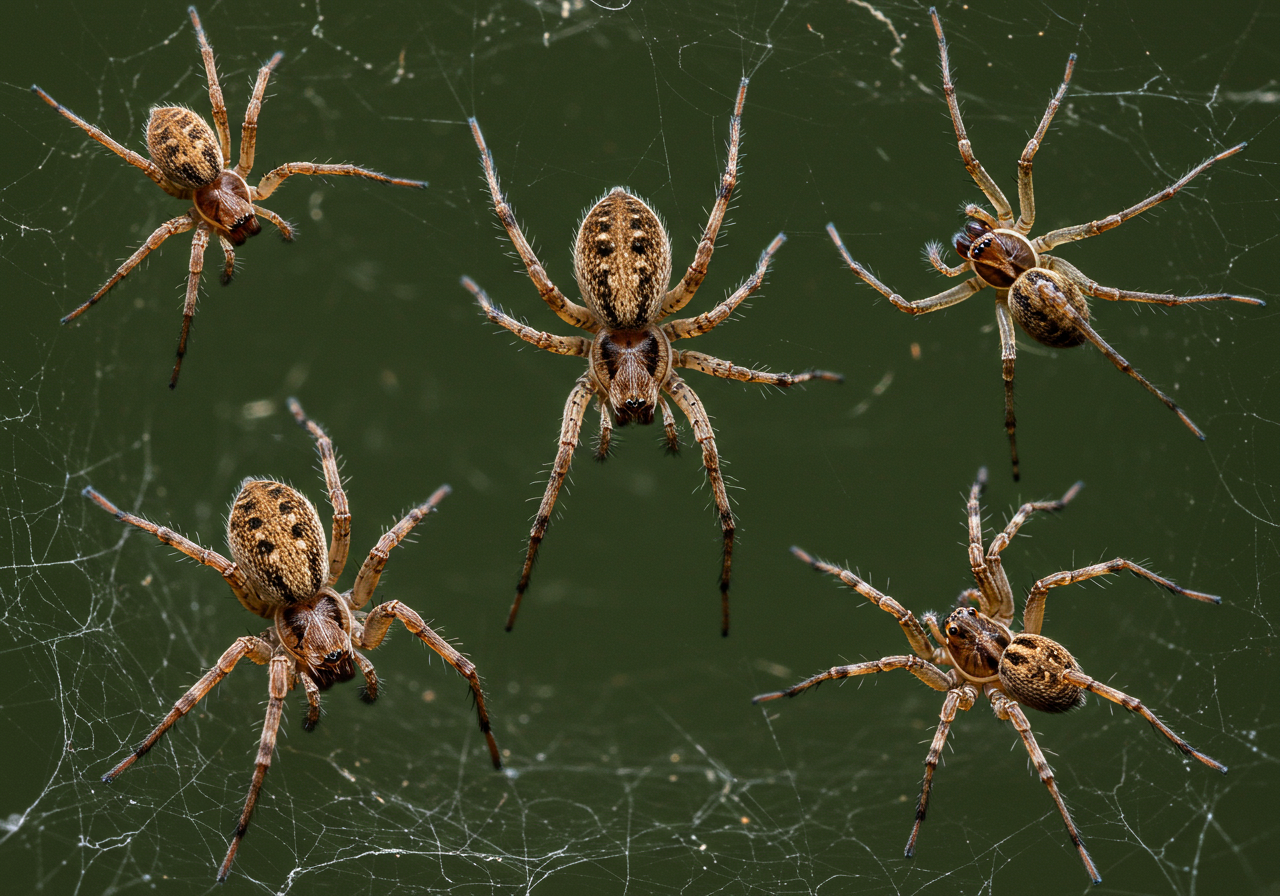
New Jersey Spider Identification: Your Guide to Common & Venomous Spiders for Homeowners
Discover how to easily identify spiders commonly found in New Jersey homes and businesses, especially in Ocean and Monmouth Counties. This practical guide helps you distinguish between harmless house spiders and rare venomous types, offering visual cues, safety tips, and clear advice on prevention. Learn when to confidently handle a sighting and when to contact Resolve Pest Management for professional, trusted spider control and removal.
How to Identify Spiders in Your New Jersey Home or Business: A Practical Guide for Ocean & Monmouth Counties
Spiders are a common sight around homes and businesses throughout New Jersey. While many people react with alarm, most spiders you encounter are harmless and simply looking for a place to build a web or hunt for insects. Knowing which ones are harmless, which are uncommon but venomous, and when to call for professional help can transform a moment of panic into a calm, correct response.
This guide is designed specifically for homeowners and businesses in Ocean and Monmouth Counties. We'll walk you through the spiders you're most likely to see, how to spot the rare venomous types, the physical and behavioral clues to look for, and the sensible steps to take after you find a spider. You'll get quick visual cues, seasonal and habitat notes, safe observation tips, and clear rules for when to call a pro. Our focus is on practical identification for common spiders like orb weavers, wolf spiders, jumping spiders, and cellar spiders, along with key info on the occasional black widow or yellow sac spider – plus simple prevention and next-step options tailored to our local community.
What Are the Most Common Spider Species Found in New Jersey?
Most spiders you’ll meet in New Jersey aren’t dangerous. They differ by where they live, how they build webs, and how they behave — and those differences make identification easier. In Ocean and Monmouth Counties, spiders commonly show up in indoor corners, eaves, basements, and garden plants, with activity peaking in late summer and early fall.
Below are the species homeowners and business owners run into most often, with quick identification tips you can use by combining traits like size, color, web type, and behavior, rather than relying on just one single feature.
The most common species and one-line IDs for quick reference:
- American House Spider: Small, brown or tan; builds messy cobwebs in corners and basements.
- Cellar Spider (Daddy Long Legs): Has long, fragile legs with a tiny body; creates loose, tangled webs in basements and garages.
- Jumping Spider: Features a compact body with short legs and often bold patterns; an active hunter found on walls and windows.
- Wolf Spider: Has a stout, mottled body; a fast ground runner that hunts without a web, often found near foundations.
- Orb Weaver: Has a noticeably rounded abdomen and spins classic circular webs in gardens, shrubs, and eaves.
Use the quick comparison below to match field traits and decide how serious a sighting is:
| Species | Size & Color | Typical Habitat | Danger Level |
|---|---|---|---|
| American House Spider | Small, brown/tan | Indoors: corners, basements | Low |
| Cellar Spider | Long legs, small body | Basements, garages, eaves | Low |
| Jumping Spider | Small, compact, patterned | Walls, windows, vegetation | Low |
| Wolf Spider | Medium to large, mottled | Ground, leaf litter, foundations | Low |
| Orb Weaver | Medium-large, round abdomen | Gardens, shrubs, eaves | Low |
This table helps you quickly compare traits so you can calmly monitor or take simple steps before considering further action.
How to Recognize Common House Spiders in Ocean and Monmouth Counties
House spiders in our area usually stick to sheltered indoor spots and become more noticeable in late summer and fall when young spiders are looking for new homes. Look in undisturbed corners, attics, basements, and exterior eaves for their distinctive cobwebs or loose, tangled webs. Body shape is a great clue: cellar spiders are tiny with very long legs, while orb weavers have more rounded bodies. If you suddenly see more spiders than usual, it often points to seasonal changes or easy entry points you can seal to reduce their presence.
Which Features Distinguish Wolf Spiders and Jumping Spiders?
People often confuse wolf spiders and jumping spiders because neither relies on large webs and both move around a lot. Key differences: wolf spiders are generally larger, with a robust body and long legs for running; they have a distinctive eye pattern (eight eyes in three rows) and hunt on the ground. Jumping spiders are smaller and compact, with very large front eyes that give them a "watchful" look; they stalk and leap onto prey. Watch how the spider moves — running versus leaping — and, if possible, use a clear photo to check the eye pattern to tell them apart.
How Can You Identify Venomous Spiders in New Jersey?
When it comes to venomous spiders in New Jersey, focus on a short list and always prioritize safety. Locally, the main spiders of concern are the black widow and the yellow sac spider. Sightings of brown recluse spiders are very uncommon in New Jersey and are often misidentified.
Look for specific markings, body shape, and where the spider is found — and never handle an unknown spider. Photograph it from a safe distance and get expert help if you’re unsure. If a spider looks potentially venomous, treat the situation cautiously and consider professional assessment or medical attention depending on symptoms.
Below is a quick comparison of venomous species, common bite signs, and recommended actions:
| Species | Key ID Marks | Typical Bite Symptoms | Recommended Action |
|---|---|---|---|
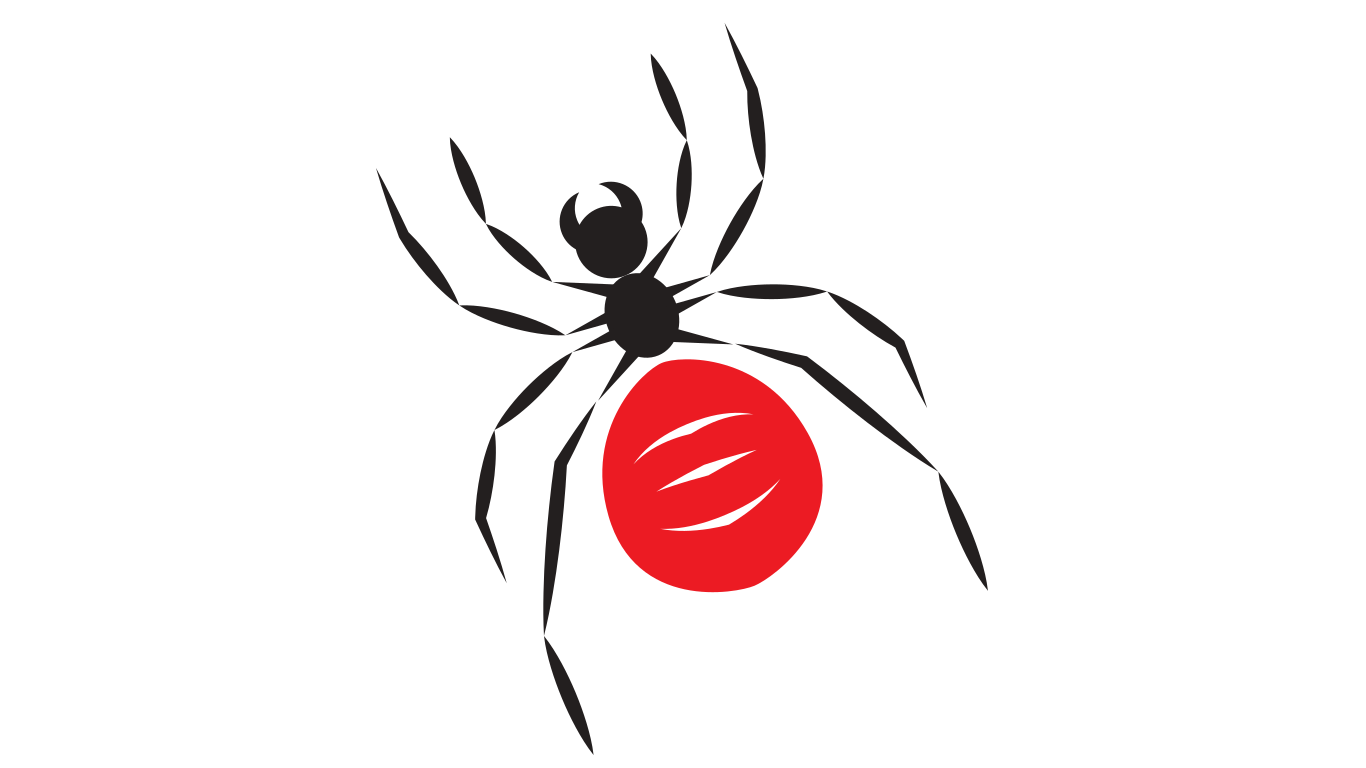
| Black Widow | Shiny black body; red hourglass on the underside | Severe pain, muscle cramps, nausea | Avoid handling; seek medical care and professional removal |
| Yellow Sac Spider | Small, pale to yellowish; slim build | Local pain, redness; rare mild necrosis | Clean the bite site; monitor; see a doctor if it worsens |
| Brown Recluse (very rare in NJ) | Violin-shaped mark on upper body; six eyes (rarely found here) | Sometimes necrotic lesion | Photograph; get medical evaluation; professional control if confirmed |
This table lays out distinguishing marks, likely reactions, and safe next steps so homeowners can triage calmly and effectively.
What Are the Key Characteristics of Black Widow and Brown Recluse Spiders?
Black widows are usually glossy black with a distinct red hourglass shape on the underside of their abdomen. They build irregular, tangled webs in sheltered outdoor spots or undisturbed indoor areas like crawl spaces. Brown recluses have a violin-shaped marking on their upper body (cephalothorax) and a unique six-eye pattern, but true brown recluse occurrences in New Jersey are extremely rare, and many other harmless spiders look similar. If you find a spider with these traits, do not handle it — photograph it for identification and seek medical advice if you suspect a bite. A professional pest control expert can confirm the species and recommend safe removal or monitoring.
How to Spot the Yellow Sac Spider and Assess Its Danger Level?
Yellow sac spiders are small (about ¼ to ⅜ inch) and pale, ranging from off-white to yellowish or light green. They often hide in corners, bedding, or clothing — which is why bites can happen when they’re accidentally disturbed. Instead of spinning a typical web, they build small, silken sacs in secluded areas where they rest during the day. Their bites usually cause localized pain, redness, and mild irritation; serious reactions are uncommon. First aid is simple: clean the area, apply a cold pack, and watch for spreading symptoms or system-wide signs that require medical care. If you keep finding them indoors, professional pest control can help locate and remove their hiding spots.
What Are the Essential Features to Look for When Identifying Spiders?
Practical identification uses a short list of features you can observe safely: body shape and size, color and distinctive markings, eye arrangement, leg proportions, web style, and visible behavior like hunting method or web placement. Relying on several features together improves accuracy because single traits such as color or size often overlap between species. These cues let you quickly decide whether a spider is harmless, possibly concerning, or in need of expert identification.
Use the table below to match features to what to look for and example species:
| Feature | What to Look For | Example Species |
|---|---|---|
| Body Shape & Size | Rounded abdomen vs. elongated body; relative scale | Orb weaver (round), Wolf spider (stout) |
| Eye Arrangement | Large front eyes vs. many small eyes | Jumping spider (large front eyes) |
| Web Type | Orb, tangle, sheet, none | Orb weaver (orb), Cellar spider (tangle) |
| Behavior | Web-building vs. active hunting | Wolf spider (hunter), Jumping spider (stalker) |
This quick mapping links visible features to likely groups so you can make a fast, evidence-based identification.
How Do Body Shape, Size, and Color Help in Spider Identification?
Body proportions and color give immediate clues: orb weavers have distinct, bulbous abdomens, wolf spiders look robust and are built for ground movement, and sac spiders are slender and pale. Size is relative — sac spiders are small, while wolf spiders can be medium to large. Patterns like stripes, mottling, a red hourglass, or a violin mark add significant weight to an identification when paired with behavior. Remember that color alone can be misleading because lighting and age can change a spider's appearance, so always use several features together. A clear photo next to a common object for scale often helps confirm the identification.
Why Is Eye Arrangement and Web Type Important for Identification?
Eye arrangement helps separate spider families: jumping spiders have remarkably large anterior median eyes that provide sharp vision for stalking prey, while wolf spiders show a distinctive eye-row setup (eight eyes in three rows) suited to nocturnal hunting. Web structure is also diagnostic — beautiful, circular orb webs point to orb weavers, messy, tangled cobwebs suggest house or cellar spiders, and no visible web usually means an active hunter like a wolf or jumping spider. Safely note the web type and, if possible, photograph eye patterns with a zoom or from a safe distance; together these clues make species-level identifications much more reliable than color or size alone.
What Should You Do After Identifying a Spider on Your Property?
Once you identify a spider, choose your actions based on the risk level: monitor and seal entry points for common, non-venomous species; perform basic cleanup and exclusion for indoor sightings; or take immediate safety steps if you suspect a venomous spider. Always document without touching — photograph the spider, note where and when you saw it, and keep the area secure if it’s still present. If someone is bitten, follow first-aid steps: clean the wound, use cold packs for swelling, and seek medical care for serious symptoms. These steps will help you decide when monitoring is enough and when to call a professional.
If you want a short checklist to follow right away, use this triage list:
- Document: Photograph the spider from a safe distance for later identification.
- Secure: Keep pets and children away from the area until it’s identified.
- Monitor: Note the time and how often you see the spider before taking further action.
- Act: Seal gaps and reduce clutter to remove hiding spots.
When Is It Necessary to Contact Professional Spider Control Services in NJ?
While most spiders are harmless, there are definite times when calling a pest control professional is the smartest move. You should call a pest pro if you see repeated sightings, clusters of webs or egg sacs, clear signs of an infestation, bites with worrying symptoms, or if you've confirmed a venomous species.
For homeowners and businesses in Ocean and Monmouth Counties, Resolve Pest Management offers expert Spider Control services. Our professional technicians can accurately identify species, perform targeted removal, carry out exclusion work to block entry points, and set up follow-up prevention tailored to your building and local conditions. A quick professional assessment can ease concerns and limit further exposure, especially when vulnerable people (like children or the elderly) are present, or when your photo-based identification isn’t conclusive.
How Does Resolve Pest Management Provide Safe and Effective Spider Removal?
When you need professional help, Resolve Pest Management is your local choice for spider control across Ocean and Monmouth Counties, offering fast scheduling and clear service promises. Our method focuses on safe removal, targeted exclusion, and follow-up prevention — all delivered by a family-owned team that stands behind a 100 percent satisfaction guarantee and the S.T.I.N.G. promise: Service, Trust, Initiative, Nurture, Grit.
We understand that dealing with spiders can be unsettling. Our expert team will not only get rid of the spiders you see but also address the root causes of their presence, helping to keep them from coming back. Whether it’s a one-time issue or you need ongoing protection, Resolve Pest Management provides peace of mind with tailored treatment plans and effective solutions.
If you need a professional inspection or removal after identifying a spider, or if you just want to ensure your property is protected, Resolve Pest Management is here to help. Contact us today at (732) 527-5770 for reliable, local spider control expertise. We're available 24/7 for emergency pest control needs.
Request Your Free Pest Control Quote in Bayville, NJ
Ready to get rid of unwanted pests? Tell us about your pest problem in Bayville, NJ, or surrounding communities. Resolve Pest Management offers personalized, no-obligation quotes to help you reclaim your home. Fill out our simple form, and we'll call you back quickly with your free estimate!
More Blogs
Some other blogs you might be interested in