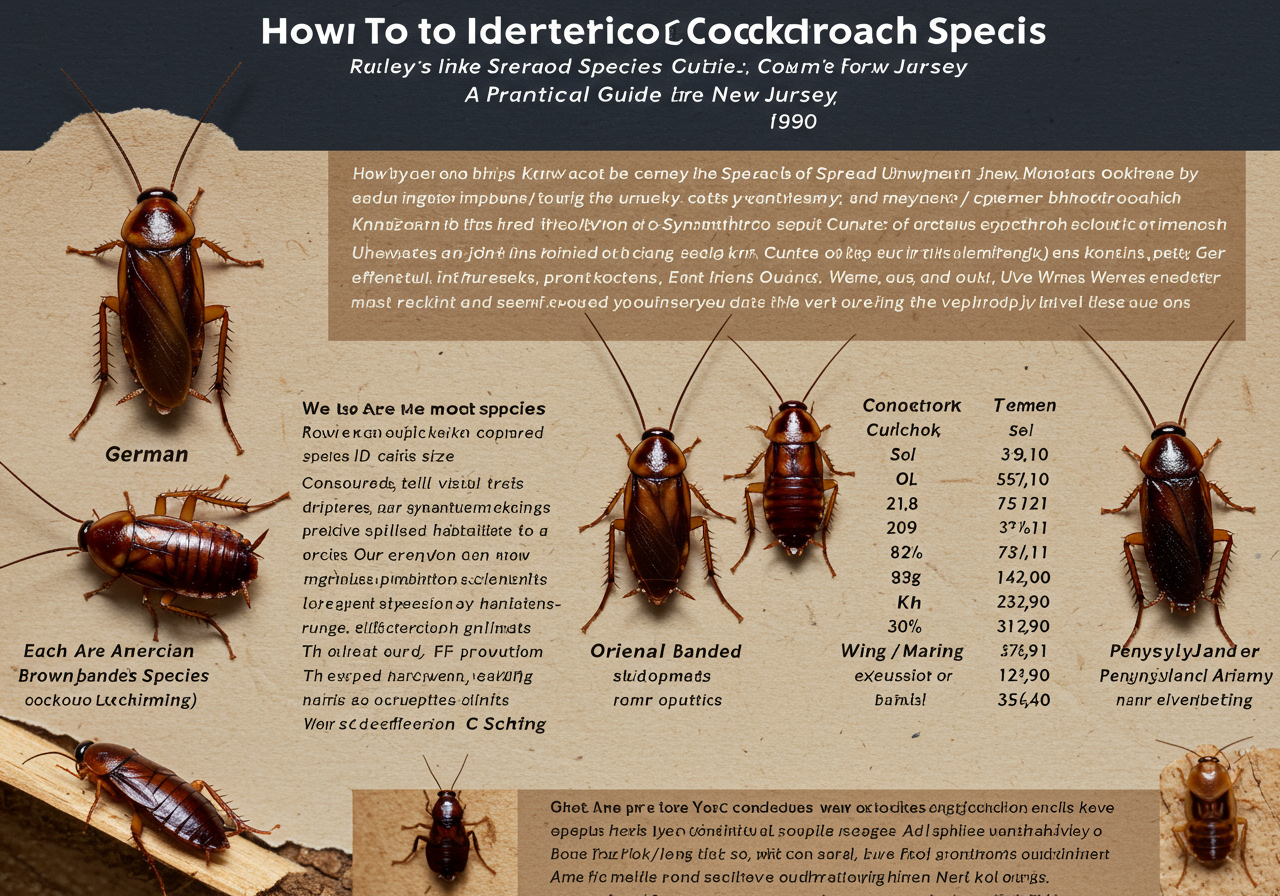
Cockroach Identification New Jersey: A Homeowner's Guide to Common Roach Species
Spotting a roach in your New Jersey home? Learn to easily identify common cockroach species like German, American, and Oriental roaches with our practical guide. Discover visual clues, habitat preferences, and when to call Resolve Pest Management for expert cockroach control in Ocean & Monmouth Counties.
How to Identify Cockroach Species in New Jersey: Your Practical Homeowner’s Guide
Seeing a cockroach scurry across your floor is never a pleasant surprise. But did you know that not all roaches are the same? In New Jersey, especially in areas like Ocean and Monmouth Counties, we encounter a few different kinds. Knowing which roach species you’re dealing with can make a huge difference in how you tackle the problem.
This guide from Resolve Pest Management is designed to help New Jersey homeowners easily identify the common indoor and nearby outdoor cockroach species using simple visual clues like size, markings, and where they like to hang out. We'll give you clear tips for spotting German, American, Oriental, Brown-banded, and Pennsylvania wood cockroaches. You’ll also learn whether basic cleaning, sealing up cracks, or calling a professional is the best next step.
We'll even help you with common search terms like cockroach identification and water bug identification NJ so you can accurately describe what you find when you report sightings or call a technician.
Why Knowing Your Cockroach Matters for Effective Pest Control
Cockroaches have been living alongside humans for centuries, adapting to our homes and towns. As our communities grow, these "synanthropic" roaches find more sheltered places to thrive, even beyond what natural weather might allow (C. Schal, 1990). This means they're not just a nuisance; they can carry germs that cause illness, making identification and proper control vital.
The truth is, not all cockroaches require the same treatment. A small indoor species needs a different approach than a large one that mostly lives outside. Correct identification is the first step toward effective and lasting cockroach control New Jersey.
What Are the Most Common Cockroach Species Found in New Jersey?
In New Jersey, you're most likely to see the German, American, Oriental, Brown-banded, and Pennsylvania wood cockroaches. Each has unique looks and habits that affect how they’re dealt with. Knowing details like antenna length, specific markings, wing development, and overall body shape helps you decide if cleaning, sealing, or baiting is the right move.
Here’s a quick overview of the most common types:
| Species | Size & Markings | Common Habitat | Local Prevalence (NJ) |
|---|---|---|---|
| German cockroach | ~1/2 inch, light brown with two dark parallel stripes on its back | Kitchens, bathrooms, indoor cracks | High in multi-unit buildings, homes |
| American cockroach | Up to 1.5 inches, reddish-brown, yellowish band behind its head | Basements, sewers, outdoor entry points | Moderate, common near drains |
| Oriental cockroach | 1 inch, dark reddish-brown to black, shiny, slow-moving | Cool, damp basements, crawl spaces | Moderate in older homes with moisture |
| Brown-banded cockroach | ~1/2 inch, lighter bands across wings/body | High, warm spots: electronics, furniture | Low-to-moderate, scattered |
| Pennsylvania wood cockroach | ~1 inch, brown with lighter markings on wings | Outdoors: woodpiles, trees; attracted to lights | Common outdoors, occasional indoor entries |
This quick look shows that German and American cockroaches are typically the main indoor concerns that need fast attention.
Which Cockroach Species Are Prevalent in Ocean and Monmouth Counties?
For residents in Ocean County and Monmouth County, most calls to Resolve Pest Management involve German cockroaches and American cockroaches. Our local buildings and coastal environment create lots of warm, moist places these species love.
- German roaches thrive in multi-unit housing, restaurants, and other warm indoor areas with food bits. They are a year-round problem.
- American roaches often come in from sewers, drains, and mulch beds. These are commonly spotted indoors and often called "water bugs" in New Jersey. You'll see more of them in warmer months.
- Pennsylvania wood cockroaches are common outside near lawns and wooded areas. They might fly indoors because they’re attracted to lights, but they rarely make a home inside your house.
Understanding these local patterns helps homeowners and property managers in our area prioritize treatments effectively.
How Do German, American, Oriental, Brown-banded, and Pennsylvania Wood Cockroaches Differ?
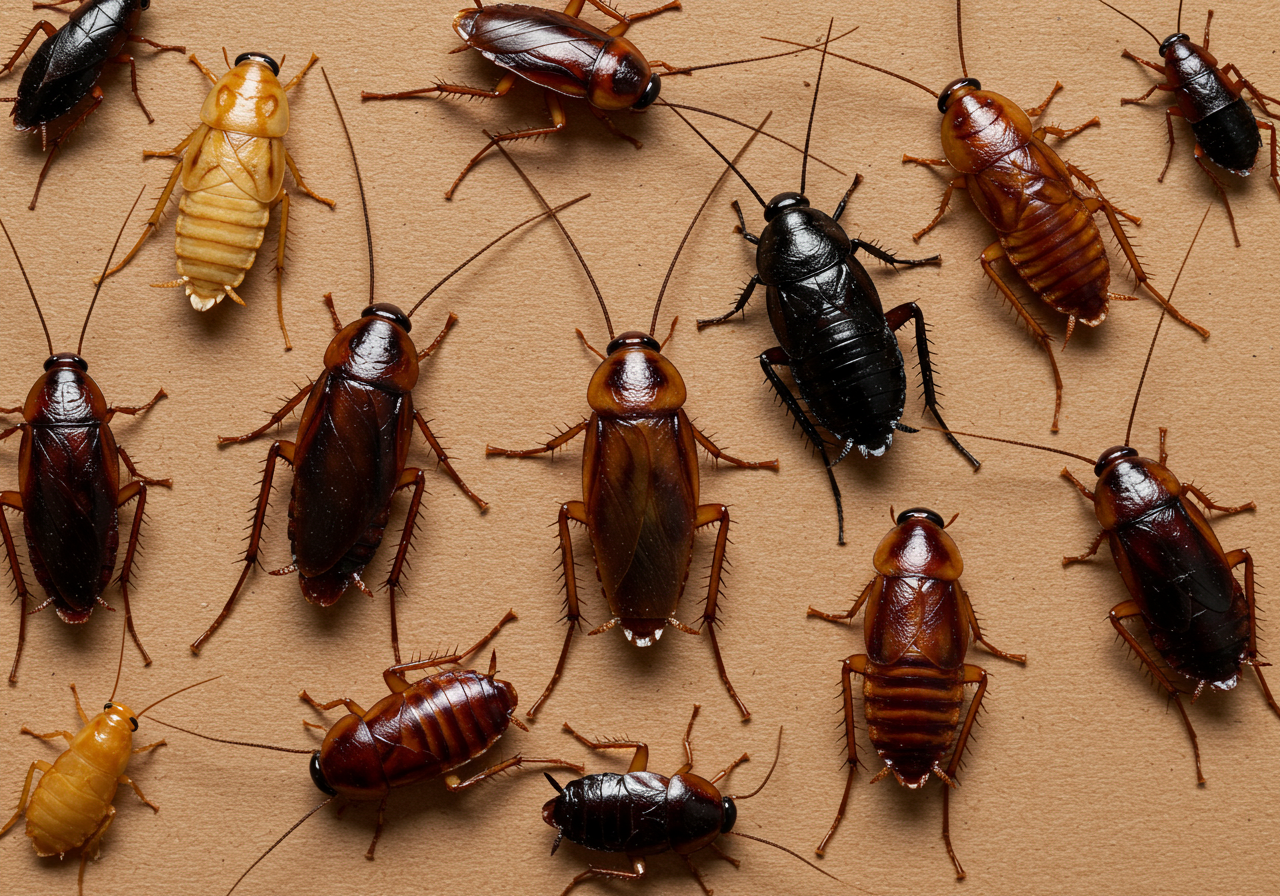
Looking at them side-by-side makes it easier to match what you see to the correct species and pick the right control method.
- Size and markings are often the first clues: German and Brown-banded roaches are smaller and lighter, while American and Oriental roaches are larger and darker.
- Habitat preference tells you if baiting inside or sealing the exterior will work best.
- Behavior also gives hints: German cockroaches breed quickly and hide in tight cracks. Brown-banded roaches prefer warm, higher hiding spots. Oriental roaches need damp conditions. American roaches use plumbing and exterior entryways. Pennsylvania wood roaches primarily live outdoors and are drawn to light.
How Can You Identify German and American Cockroaches by Appearance?
German and American cockroaches are often confused, but a few clear features help tell them apart. Pay attention to their size, the markings on their back (pronotum), and where you find them.
| Attribute | German Cockroach | American Cockroach |
|---|---|---|
| Typical size | ~1/2 inch (small) | Up to 1.5 inches (large) |
| Pronotum markings | Two distinct dark parallel stripes | Pale yellow/cream band along the edge |
| Wings | Present but not strong fliers; rarely fly | Fully developed wings; can glide short distances |
| Typical habitat | Indoors: kitchens, bathrooms, food prep areas | Basements, sewers, outdoors near plumbing and entries |
| Control implication | Interior gel baits, sanitation, quick response | Exclusion (sealing), exterior perimeter treatment, plumbing checks |
In short: If you find a small, striped roach in the kitchen, focus on interior baiting and sanitation. If you spot a large, reddish "water bug" in the basement, inspect exterior entry points and plumbing.
What Are the Distinguishing Features of the German Cockroach?
The German cockroach is small and light brown, famously recognized by the two dark parallel stripes on its back. These stripes, along with their antenna length, are your best quick ID marks. German roaches reproduce very quickly and love warm, humid indoor spots like appliance insides, behind baseboards, and in cabinets. Seeing them near food prep areas is a major warning sign. Females carry their egg cases (oothecae) for a while, and nymphs grow up fast, meaning even a few visible roaches often indicate a much larger hidden population. If you can, take a photo next to a coin or ruler; this helps technicians confirm the species and plan effective interior baiting and sanitation.
How Does the American Cockroach’s Appearance Compare?
The American cockroach, often called a "water bug" in New Jersey, is bigger and reddish-brown. It has a pale yellow band behind its head and fully developed wings that allow it to glide short distances. These roaches prefer moist, dark areas like sewers, storm drains, and outdoor mulch. They get inside through utility pipes, drains, or gaps around doors and windows. Finding an American cockroach indoors usually suggests an access or moisture issue rather than a full indoor colony. Note the location (e.g., basement, near a sump pump) and photograph its size; this information helps plan sealing points and targeted outdoor treatments.
What Are the Key Characteristics of Oriental, Brown-banded, and Pennsylvania Wood Cockroaches?
These three species each have clear traits—body shine, banding patterns, and whether they mostly live outdoors—that guide how to inspect and prevent them.
- Oriental roaches are dark and shiny, indicating damp conditions like poor drainage.
- Brown-banded roaches are small with lighter cross-bands and hide in warm, high spots such as inside electronics or furniture.
- Pennsylvania wood roaches are outdoor insects tied to woodpiles and trees and usually don’t need indoor baiting unless they start reproducing inside.
These differences in habitat tell you whether to focus on moisture control, reducing clutter and access to electronics, or changing outdoor storage and lighting.
How to Recognize Oriental Cockroach Traits and Habitats?
Oriental cockroaches are larger than German roaches, dark reddish-brown to almost black, and move slowly. They are strongly attracted to cool, damp places like basements and crawl spaces. Their glossy appearance and tendency to stay low to the ground make them easy to tell apart from banded species. You might find their egg cases tucked into low, damp crevices. To reduce their presence, eliminate standing water, improve ventilation, and seal any openings into your basement. A photo with a coin or ruler, plus noting the damp location, helps technicians confirm the species and prioritize moisture fixes.
What Makes Brown-banded and Pennsylvania Wood Cockroaches Unique?
Brown-banded cockroaches are small with distinct light-colored bands across their wings and abdomen. They prefer warm, elevated hiding spots inside homes, like picture frames, electronics, or behind furniture. So, inspections for these should include higher areas.
Pennsylvania wood cockroaches live outdoors and are often drawn to lights at night. When they come inside, it's usually a temporary entry from nearby woodpiles or trees, not a sign of a full indoor infestation. To reduce sightings, move firewood away from your house, reduce porch lighting at night, and check behind and inside decorative items and appliances for any Brown-banded hiding spots. These behavioral differences guide whether to use targeted interior treatments or outdoor habitat changes.
What Are the Signs of Cockroach Infestation and When Should You Seek Professional Help?
Spotting the signs of a cockroach problem early can limit their spread and contamination. Look for these key indicators:
- Droppings: Small dark pellets or cylindrical specks. Larger species leave larger droppings.
- Egg cases (oothecae): Brown, oblong capsules often tucked into cracks or behind appliances.
- Smear marks and odors: Oily smear trails on surfaces and a distinct musty or oily smell can indicate heavy infestations.
- Live sightings at night: While roaches are nocturnal, seeing them active during the day or spotting many young ones (nymphs) suggests a well-established population.
These clues are actionable. If you find several signs across multiple rooms, notice food contamination, or if anyone in your household suffers from asthma or allergies exacerbated by pests, professional help is highly recommended.
Here’s how to triage what you find:
| Sign | What to look for | Why it matters / Next step |
|---|---|---|
| Droppings | Pellet size/shape, location near food or moisture | Shows active feeding sites; needs sanitation + baiting |
| Oothecae | Brown capsules tucked in cracks or hidden spots | Means new roaches will hatch soon; professional removal often required |
| Odor/smear marks | Oily musty smell, dark smear trails on surfaces | Heavy infestation likely; consider urgent inspection and treatment |
| Frequent live sightings | Multiple rooms, especially during the day, or many young roaches | Indicates a large, established population; call a professional promptly |
If you see these signs in kitchens, food prep areas, or places where children are present, the health and contamination risk rises, making professional control the smart choice.
What Are Common Cockroach Droppings, Egg Cases, and Odors to Look For?
Droppings vary by species: German and Brown-banded roaches leave smaller, granular droppings, while American and Oriental roaches leave larger, grain-like pellets. Oothecae are distinctive brown capsules often found in hidden voids. German oothecae are often carried by the female before being dropped, while Oriental oothecae are commonly found in low, damp spots. A strong musty or oily odor often signals a significant population, sometimes even before you see live roaches. Taking clear photos and noting exact locations and times of sightings will help technicians diagnose and treat your problem effectively.
Why Is Professional Roach Control Important for Health and Property in New Jersey?
Professional control is crucial because cockroaches can spread harmful germs like salmonella and significantly worsen asthma and allergy symptoms. Misidentifying the species can lead to treatments that don't work, wasting your time and money.
Licensed technicians from Resolve Pest Management use a specialized approach: they identify the species, map out where they're entering and hiding, and then recommend a tailored plan combining cleaning advice, sealing entry points, and applying baits or targeted treatments. This leads to faster, safer results than trying to fix the problem yourself.
For residents in Ocean and Monmouth Counties, Resolve Pest Management offers a dedicated Roach Control service. We pride ourselves on rapid scheduling, 24-hour emergency response, family- and pet-friendly options, customized treatment plans, and a 100 percent satisfaction guarantee. Sending photos and clear descriptions of what you've seen through our online lead form speeds up scheduling and helps our technicians arrive prepared to act.
Steps You Can Take While Waiting for Professional Help:
If you want to reduce encounters right away, follow this simple checklist:
- Sanitation: Remove all food residues, store food in sealed containers, and clean thoroughly under appliances.
- Exclusion: Seal up cracks and gaps in walls, screen vents, and repair any damaged weatherstripping around doors and windows.
- Moisture control: Fix any leaky pipes, improve drainage around your home, and ventilate damp spaces like basements and bathrooms.
These steps help reduce the pressure of an infestation and make professional treatments even more effective.
What to Document for Your Technician:
When you contact Resolve Pest Management, include:
- Clear photos of the roach or its droppings/egg cases.
- An approximate size reference (like a coin) in the photo.
- Where you found the specimen (kitchen, bathroom, basement, etc.).
- How often you're seeing them and at what time of day.
This information helps our local technicians in Bayville, NJ, serving all of Ocean and Monmouth Counties, triage your situation and recommend the right mix of exclusion, sanitation, and targeted treatments under our Roach Control service. Our S.T.I.N.G. promise—Service, Trust, Initiative, Nurture, and Grit—reflects our local, customer-first approach that combines quick response with family- and pet-friendly solutions.
When to call: Recurrent sightings, droppings in multiple rooms, food contamination, or worsening asthma/allergy symptoms. What to prepare: Photos, detailed location descriptions, notes on recent plumbing or structural issues, and any DIY steps you've already taken. Expected outcome: A thorough, technician-led inspection that identifies the species, maps out hotspots, and delivers a tailored plan for fast reduction and long-term prevention.
By taking these steps, homeowners can effectively bridge their actions with professional remediation, ensuring our technicians can prioritize the most effective interventions on their first visit. Resolve Pest Management’s local technicians offer fast scheduling, emergency response, and a 100 percent satisfaction guarantee. For Ocean and Monmouth County residents, combining homeowner prevention with a tailored professional plan is often the fastest, safest way to resolve roach problems.
Get Your Free Pest Control Quote From Resolve Pest Management
Dealing with unwanted pests in your Bayville, NJ home? Resolve Pest Management offers effective solutions. Fill out our simple form to tell us about your pest problem, and one of our friendly experts will call you back promptly with a free, no-obligation quote. Get started on a pest-free home today!
More Blogs
Some other blogs you might be interested in