Clover Mites vs. Bed Bugs: Identify Your Home's Tiny Red Pests
Worried about tiny red bugs creeping into your home? Don't guess if it's clover mites or bed bugs! This essential guide for homeowners reveals the key differences, helping you accurately identify these common household pests. Once you know, Resolve Pest Management is ready to provide effective pest control solutions to protect your home and bring you peace of mind.
Is It a Clover Mite or a Bed Bug? Don't Guess, Get the Facts!
Finding tiny, reddish-brown critters crawling around your home can be unsettling. Your mind might immediately jump to the worst-case scenario: bed bugs! But what if those tiny invaders are actually something else entirely? Many homeowners often confuse bed bugs with other small insects, and one of the most common culprits for this mix-up is the clover mite.
While both are small and can cause a nuisance, understanding the difference between clover mites and bed bugs is crucial. They have different habits, pose different threats, and require completely different approaches to get rid of them. Let's clear up the confusion and help you identify your unwelcome guests.
Meet the Clover Mite: A Harmless Red Nuisance
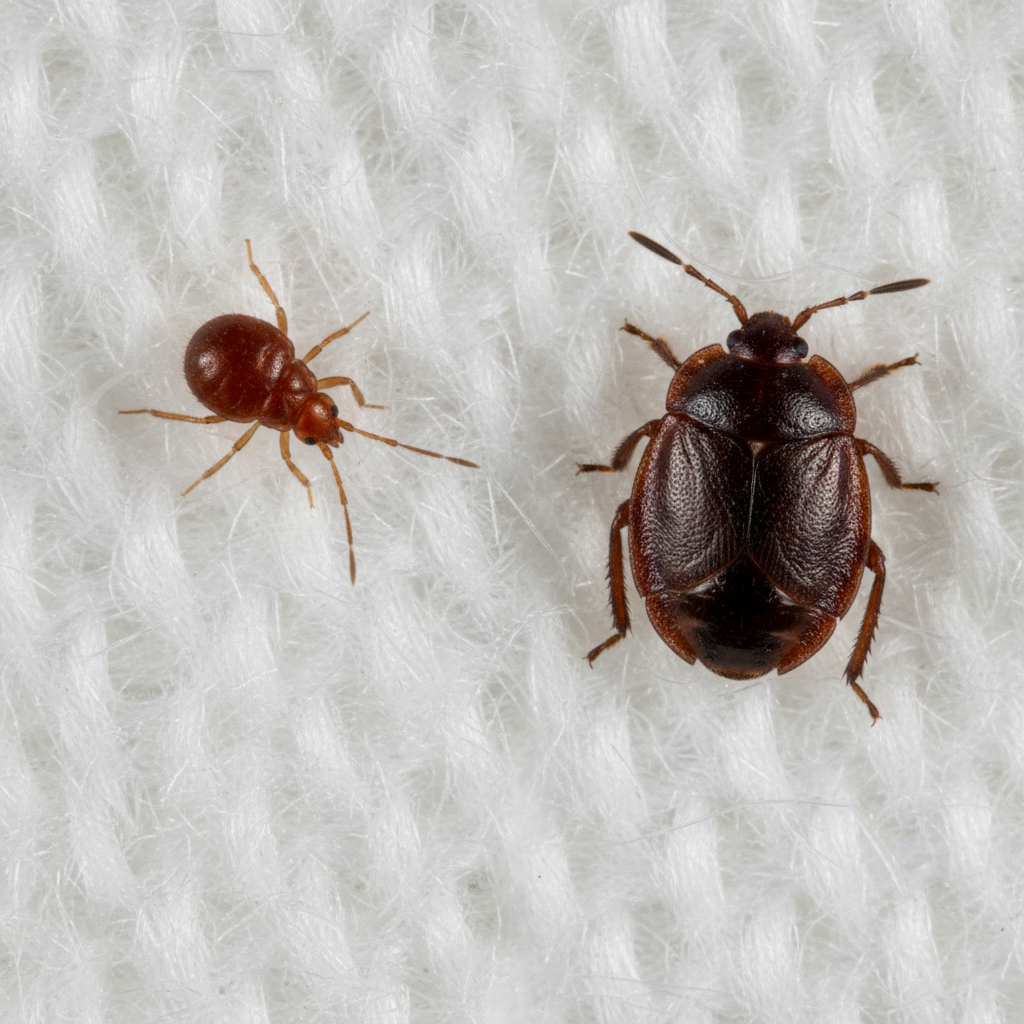
Clover mites are incredibly tiny, usually no bigger than a pinhead, and sport a reddish-brown to greenish color. They are actually a type of arachnid, like spiders and ticks, not an insect.
Where do they come from? Clover mites are plant feeders. They thrive outdoors in lush, well-fertilized lawns, especially those with clover, dandelions, and other common garden plants. You'll often find them congregating in massive numbers around the sunny side of your home.
Why are they in my house? They typically invade homes in large numbers when their outdoor food sources dry up, or when the weather changes dramatically, like during dry spells or cold snaps in late fall and early spring. They're simply looking for a more comfortable place to hang out. You'll usually spot them on windowsills, walls, curtains, or around foundations.
Do they bite? No! This is a key difference. Clover mites do not bite people or pets, and they don't carry diseases. They are strictly plant eaters. The biggest "damage" they can cause is leaving a reddish-brown stain if you crush them on light-colored surfaces like walls or fabrics. This stain is due to their body fluids, not blood.
Quick Facts about Clover Mites:
- Size: Less than 1/30th of an inch (smaller than a sesame seed).
- Color: Reddish-brown.
- Appearance: Eight legs (though two front legs are much longer and often mistaken for antennae), oval-shaped body.
- Activity: Most active in spring and fall, especially on sunny days.
- Habitat: Outdoors in grass, clover, and weeds; indoors on windowsills, walls, and siding.
- Threat: Primarily a nuisance; do not bite or spread disease.
The Unwanted Guest: Understanding Bed Bugs
Bed bugs are a homeowner's nightmare. These notoriously difficult pests are true bloodsuckers and can turn your peaceful home into a stressful environment.
Where do they come from? Unlike clover mites, bed bugs don't come from your garden. They are master hitchhikers, often brought into homes on luggage, used furniture, clothing, or even from neighboring apartments. They can be found in homes, hotels, dorms, and even public transport.
Where do they hide? Bed bugs are experts at hiding. As their name suggests, they love to be near where you sleep. They'll hide in the seams of mattresses, bed frames, headboards, nightstands, and even cracks in walls or behind electrical outlets. They come out at night to feed.
Do they bite? Yes, they do! Bed bugs feed exclusively on blood, preferably human blood. Their bites are often itchy red welts, sometimes appearing in a line or cluster on exposed skin (arms, neck, face, legs) while you sleep. Not everyone reacts to bed bug bites, so sometimes the only sign is the bugs themselves or their droppings.
Signs of a Bed Bug Infestation:
- Bites: Itchy red bumps, often in a line or zigzag pattern.
- Fecal Spots: Small, dark, rust-colored spots on mattresses, sheets, or walls (this is digested blood).
- Shed Skins: Translucent, empty exoskeletons as they grow.
- Live Bugs: Spotting the bugs themselves, though they are nocturnal and good at hiding.
- Musty Odor: A sweet, musty odor in heavily infested areas.
Quick Facts about Bed Bugs:
- Size: About 1/4 inch long (the size of an apple seed).
- Color: Flat, oval, reddish-brown (swollen and more reddish after a blood meal).
- Appearance: Six legs, flat, oval-shaped body.
- Activity: Nocturnal; feed mostly at night.
- Habitat: Primarily indoors, close to human hosts, in mattresses, bed frames, and furniture.
- Threat: Cause itchy bites, allergic reactions, and significant emotional distress. The CDC considers them a public health pest. Reports indicate bed bug infestations have surged over 500% in recent decades across the US!
Clover Mites vs. Bed Bugs: The Key Differences at a Glance
| Feature | Clover Mites | Bed Bugs |
|---|---|---|
| Size | Tiny (smaller than a pinhead) | Small (about an apple seed) |
| Color | Reddish-brown, can be greenish | Reddish-brown |
| Shape | Oval, 8 legs (2 very long front legs) | Flat, oval, 6 legs (swollen after feeding) |
| Diet | Plants (grass, clover) | Blood (humans and pets) |
| Bites? | No, they do not bite | Yes, they bite and cause itchy welts |
| Where found | Primarily outdoors, but enter homes via cracks, windows, walls, especially in spring/fall. | Primarily indoors, near sleeping areas (beds, furniture seams, cracks). |
| Damage | Red stains if crushed | Itchy bites, fecal spots, shed skins |
| Movement | Relatively fast | Can move quickly but are often found hiding |
Why Proper Identification Matters for Your Home
Misidentifying a pest can lead to ineffective and costly treatments, or worse, allow a true infestation to grow. For instance, spraying a bed bug treatment for clover mites won't solve your outdoor plant problem, and trying to handle a bed bug infestation with DIY methods for mites will allow the bed bugs to multiply and spread throughout your home.
Bed bugs are notoriously tough to eliminate. They are experts at hiding and can reproduce quickly. A single female can lay 1-5 eggs per day, resulting in hundreds over her lifetime! This rapid reproduction is why a small problem can quickly become a huge headache.
Don't Let Pests Take Over Your New Jersey Home – Call the Experts!
Whether you're dealing with a mild nuisance like clover mites or a full-blown bed bug invasion, the best course of action is always to call a professional pest control service. At Resolve Pest Management, we specialize in accurate pest identification and effective, tailored treatment plans.
We understand that finding pests in your home can be stressful. That's why we offer comprehensive services, including specialized Bed Bug Control to tackle even the toughest infestations. If clover mites are making their way indoors, our general Pest Control and Seasonal Pest Protection Plans can address them, as well as help prevent future invaders. For urgent situations, our 24-Hour Emergency Pest Control means we're always ready to help.
We are proud to protect homes and families across Ocean County and Monmouth County, NJ. From Toms River, Brick, Lakewood, Bayville, and Manahawkin to Freehold, Middletown, Howell, and Long Branch, our local experts are just a call away.
Don't let tiny invaders disrupt your peace of mind. If you suspect you have clover mites, bed bugs, or any other pest, contact Resolve Pest Management today at (732) 527-5770 for a professional inspection and effective solution. We're here to help you resolve your pest problems for good!
Get Your Free Pest Control Quote in Bayville, NJ
Ready to get rid of pests? Tell us about your pest problem and Resolve Pest Management will provide a fast, free quote for effective pest control solutions. Our friendly Bayville, NJ experts are here to help homeowners like you achieve a pest-free home without any obligation. Simply fill out the form, and we'll call you back!
More Blogs
Some other blogs you might be interested in